What to Look for in an Eastern Panhandle REALTOR®
In the Eastern Panhandle's fast-moving 2026 market, the right REALTOR® makes a measurable difference in price, timeline, and outcome. Look for verified local transaction history, knowledge of Berkeley and Jefferson County micro-markets, and a track record of closing deals, not just listing them.
Why does experience matter when choosing a REALTOR® in the Eastern Panhandle?
In a market where homes in areas like Inwood are going under contract in roughly 28 days and the median sale price across the region ranges from $185,000 in Charles Town to over $540,000 in Shepherdstown, the agent you choose directly affects your outcome. An experienced local REALTOR® brings micro-market pricing knowledge, established relationships with lenders and inspectors, and the negotiation skills to protect your position when things move fast or get complicated.
Key Takeaways
Recent local market data shows a median sale price of $323,495 and a median of 44 days on market in the Ranson area, reflecting a competitive 2026 landscape where pricing precision matters.
Median days on market across Eastern Panhandle communities ranges from 28 days in Inwood to 63 days in Shepherdstown, meaning your agent's local knowledge of each submarket is not interchangeable.
West Virginia requires 90 hours of pre-licensing education plus a state and national criminal history check before an agent can be licensed, but licensing is a floor, not a differentiator.
To reach broker or associate broker level in WV, an agent must hold an active salesperson license for at least two years and complete additional education and examination requirements.
An agent's list-price-to-sale-price ratio and average days on market are the two most revealing performance metrics to ask for before you sign anything.
What separates a licensed agent from a truly experienced one in West Virginia?
Every agent practicing in West Virginia has cleared the same baseline: at least 18 years old, a high school diploma or equivalent, a state and national criminal history check, and 90 hours of Commission-approved pre-licensing education before sitting for the exam. That's the floor. It's what every agent has on day one.
What the licensing exam cannot measure is what actually protects you in a transaction: how many deals an agent has navigated, how they handle a low appraisal in a rising-price market, and whether they know the difference between pricing a commuter-corridor townhome off I-81 and a rural acreage property in Morgan County.
To become a broker or associate broker in West Virginia, an agent must have been licensed as a salesperson for at least two years, complete additional broker-specific coursework, and pass a separate broker exam. That elevated threshold exists because more complex transactions demand more experience. Consumer licensing summaries confirm that broker-level licensure typically requires two years of active salesperson experience plus a defined number of closed transactions.
The West Virginia Real Estate Commission's Series 1 licensing and conduct rules took effect April 7, 2026, reflecting recent regulatory updates. Every licensee is also required to complete at least seven hours of continuing professional instruction per renewal cycle to keep their license active. Agents who stay current with those changes are better positioned to prevent procedural missteps that could delay or derail your closing.
Licensing tells you someone met the minimum. Transaction history tells you what they've actually done with it.
The numbers that actually tell you what you need to know
When you're interviewing agents, ask for two specific numbers: their average list-price-to-sale-price ratio and their average days on market. Those two figures, together, tell you more than any bio.
My listings have averaged 99.46% of the original list price, and properties I've represented have averaged approximately 40 days on market. Across more than 165 closed transactions and over $65 million in sales volume in Virginia, West Virginia, and Maryland, those numbers reflect consistent execution, not a lucky streak.
If an agent can't give you those figures, or they're vague about their transaction count, that's information too.
How the Eastern Panhandle's 2026 market makes local expertise non-negotiable
The Eastern Panhandle is not one market. It's a collection of micro-markets that behave differently from one another, and the gap between them is wide enough to matter.
Here's what recent local market data shows across the communities I work in:
AreaMedian Sale PriceMedian Days on MarketCharles Town$185,00038Shepherdstown$540,00063Harpers Ferry$409,00049Inwood$384,91128Hedgesville$349,95049
That's a $355,000 spread between the lowest and highest medians in the same region. Inwood moves in under a month. Shepherdstown takes twice as long. An agent who treats those two markets the same way, same pricing strategy, same offer approach, same timeline expectations, is going to cost you.
In the Ranson area specifically, recent local market data shows a median sale price of $323,495 and a median of 44 days on market, with 103 active listings and 64 homes sold in roughly the last 90 days. That level of activity means buyers and sellers both need an agent who can read the current tempo and act on it, not one who's learning the market as they go.
For context on what's driving demand in this region, my post on why DC and NoVA buyers are moving to the Eastern Panhandle breaks down the commuter and relocation patterns that shape pricing and competition here.
Appraisals, loan types, and offer structure in a competitive market
In areas where values have appreciated steadily, appraisal gaps are a real risk. An experienced agent knows how to select comparable sales that support the contract price, and how to structure an offer that anticipates a potential gap before it becomes a problem.
Financing type also matters more than buyers expect. In competitive submarkets, a seller reviewing multiple offers is making a judgment call about which one is most likely to close. An agent who understands how FHA, VA, USDA, and conventional loans are perceived in a specific submarket, and who can communicate your financing strengths clearly, can change the outcome of that evaluation.
I've worked with buyers across all of those loan types in Berkeley and Jefferson Counties. That experience shapes how I write offers and how I advise clients on positioning. If you're navigating this as a buyer, my first-time home buyer guide for the Eastern Panhandle covers a lot of the groundwork.
For sellers, pricing strategy in this market is not a formula. The right list price in a commuter-heavy neighborhood close to US-340 is not the same calculation as the right price for a rural property in the western part of Berkeley County. I walk every seller through that analysis before we set a number, because the first two weeks on market are when you have the most leverage, and a mispriced listing gives that leverage away.
If you're thinking about selling, my post on how to sell your home in Martinsburg in 2026 covers what the current market actually requires from sellers.
The West Virginia Real Estate Commission sets the rules every agent must follow, and as of May 2026, those rules and processes continue to be updated. An agent who stays on top of those changes protects you from compliance problems that could slow or jeopardize your closing. In WV, closings are handled by a title company, and a smooth closing depends on all the paperwork being in order well before you get to the table.
Your specific situation, your home's condition, your timeline, your financing, determines what strategy actually fits. That's exactly the kind of conversation I have with every client before we make a single move. Get a free home valuation and we can start there.
FAQ: Choosing a REALTOR® in the Eastern Panhandle
Why does it matter if my REALTOR® has experience specifically in the Eastern Panhandle?
Local experience means knowing that Inwood and Shepherdstown behave like completely different markets even though they're in the same region, and pricing or negotiating accordingly. An agent who works this area regularly has established relationships with local lenders, inspectors, and title companies, which reduces friction when issues come up. General real estate knowledge doesn't substitute for knowing how a specific submarket moves right now.
What's the real difference between a new agent and a seasoned one when I'm buying in Martinsburg?
A seasoned agent has navigated enough transactions to anticipate problems before they surface, appraisal gaps, inspection negotiations, financing hiccups, and tight timelines. In Martinsburg, where homes are moving in the 30-to-45-day range, you don't have room to learn on the job. The practical difference shows up in how quickly your agent spots a problem and how effectively they resolve it without losing the deal.
How can I tell if an agent in Berkeley or Jefferson County is truly client-focused?
Ask for their list-price-to-sale-price ratio and their average days on market, those numbers reflect real outcomes, not just effort. Also pay attention to how they communicate in the first conversation: do they ask about your goals and timeline, or do they move straight to what they can sell you? A client-focused agent is direct about what's realistic, not just what you want to hear.
Are all West Virginia real estate agents licensed the same way, or does broker-level experience change things?
All agents must meet the same baseline requirements to get licensed, including 90 hours of pre-licensing education and passing a background check. But reaching broker or associate broker level requires at least two years of active salesperson experience, additional coursework, and a separate broker exam. That higher threshold reflects the additional complexity brokers are expected to handle, which matters when your transaction involves anything beyond a straightforward sale.
What questions should I ask a potential listing agent in the Eastern Panhandle before I commit?
Ask how many transactions they've closed in the past 12 months in your specific area, what their average list-price-to-sale-price ratio is, and how they'd price your home differently from a comparable property in a neighboring community. A strong agent will answer those questions specifically, not generally. If the answers are vague, keep looking.
The right agent in this market isn't just someone with a license, it's someone with the transaction history, local knowledge, and communication style to protect your interests from the first conversation to the closing table. Request a free home valuation and let's talk about what your specific situation actually requires.
About Heather Stauffer
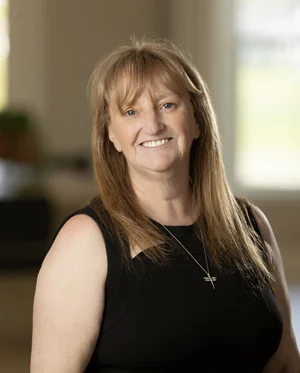
Heather Stauffer is a licensed REALTOR® in Virginia, West Virginia, and Maryland and a member of the Carolyn Young Team at Samson Properties. She has closed more than 165 real estate transactions representing over $65 million in sales volume, with listings averaging 99.46% of original list price and approximately 40 days on market. Heather serves buyers, sellers, investors, and families throughout the Eastern Panhandle of West Virginia and surrounding region, with experience spanning first-time purchases, move-up homes, luxury properties, acreage, new construction, and estate sales. She is known for her responsiveness, straight talk, and commitment to delivering results for every client.
Equal Housing Opportunity. Heather Stauffer is a licensed REALTOR® in Virginia, West Virginia, and Maryland, regulated by the West Virginia Real Estate Commission. This article is general information only and does not constitute legal, tax, or financial advice, confirm your specific numbers with your title company, tax advisor, or lender.