
Selling a Home in the Eastern Panhandle After an Offer
After you accept an offer, the contract is ratified and the buyer moves through inspection, appraisal, lender underwriting, title work, a final walk-through, and closing. One 2026 local guide puts that at 30 to 45 days for conventional loans and 45 to 60 for VA or USDA, but your contract's deadlines control.
What happens after you accept an offer on a home in the Eastern Panhandle?
Once you accept an offer on a home in the Eastern Panhandle, the contract is ratified and a clock starts: buyer inspections, appraisal and lender underwriting, title work, a final walk-through, then closing. One 2026 Eastern Panhandle market guide puts acceptance to closing at 30 to 45 days for conventional financing and 45 to 60 days for VA or USDA loans. Your signed contract sets the real deadlines, so track every date from the ratification date.
Key Takeaways
Across the wider Martinsburg, WV market, recent local market data (as of October 2026) shows homes selling with a median of 19 days on market, so the contract-to-closing stretch is often longer than the time a home spends listed.
Conventional loans typically take 30 to 45 days from acceptance to closing and VA or USDA loans 45 to 60 days, but your ratified contract, not a statewide default, controls each deadline.
A buyer's inspection does not oblige you to make every requested repair; repairs, credits, or price changes happen only to the extent your contract allows, and any deal belongs in a signed addendum.
The appraisal is the lender's value check, not a second inspection, and underwriting keeps going after it comes back.
The title company searches the land records, coordinates recording with the county clerk, and disburses funds, so "clear to close" is not the finish line until signing, recording, and disbursement are done.
How long does it take to close on a home in the Eastern Panhandle after ratification?
Plan on roughly 30 to 60 days, depending mostly on the buyer's loan type. The steps overlap rather than run one at a time, which is why a single delay (a late appraisal, a lender condition, a lien on title) can push the closing date.
I like to be realistic with sellers about this up front. The closing date on the contract is a target, and the work between here and there is what decides whether you hit it. Here's the order of operations, based on the sequence the West Virginia Title Company lays out for the process.
StageWho drives itWhat can slow it downRatificationBoth parties and agentsMissing signatures, earnest money not delivered on timeInspectionsBuyer and inspectorsInspector availability, specialty tests like radon, septic, or wellRepair or credit talksBuyer, seller, agentsDisagreement over scope, contractor availabilityAppraisal and underwritingBuyer's lenderValue gaps, missing buyer documents, lender conditionsTitle workTitle companyLiens, unreleased mortgages, easements, estate or probate paperworkFinal walk-throughBuyerUnfinished repairs, items removed that were supposed to staySigning, recording, disbursementTitle company and county clerkPayoff figures, transfer-tax and withholding paperwork, recording logistics
Inspections: what do you owe the buyer after the inspection?
You owe the buyer a good-faith response, not every repair on the list. The buyer will usually schedule inspections soon after ratification, within the inspection period written into your contract. No single statewide inspection deadline exists, so read yours.
Specialized inspections (radon, septic, well, chimney, structural, pest) add time, especially on rural parcels. After the reports come back, the parties negotiate repairs, credits, a price change, or termination only to the extent the contract and its contingencies allow. Put whatever you agree to in a signed addendum. If you want to know which fixes are worth making before a buyer ever sees the property, I covered that in which repairs actually pay off before selling a home in West Virginia.
Appraisal and financing: what if the lender's number doesn't match your price?
The appraisal is the lender's check that the home supports the loan, and it is not the same as a home inspection. The lender typically orders it after receiving the buyer's application and property information.
Underwriting continues after the appraisal while the lender verifies income, assets, insurance, and title information. If the value comes in below the contract price, your options depend on the financing contingency in your contract. Typically that means renegotiating, the buyer bringing more cash, or a termination if the contract permits. This is where a seller wants an agent reading the contract language, not guessing at it.
Title work: what does the title company look for?
The title company searches the public land records for ownership, liens, judgments, easements, and unreleased mortgages. In Berkeley, Jefferson, and Morgan counties, those records sit with the county clerk's office.
If something turns up, the fix might be payoff documentation, a lien release, a corrective deed, or probate paperwork. Those take time to collect, so respond fast when the title company asks for something.
Final walk-through and closing day: is it a second inspection?
No. The buyer's walk-through, shortly before closing, confirms the home is in the agreed condition, agreed repairs are done, included fixtures are still there, and your belongings are out as the contract requires. It isn't a chance to reopen every issue already resolved.
On closing day, a straightforward deal closes on the contract date when financing, title, payoffs, insurance, and lender documents are ready. You may sign before the buyer or use remote or mail-away signing if the parties and closing participants accept it. Proceeds arrive after recording and final disbursement.
Two money items to know about, with no math attached. West Virginia's property transfer tax is generally collected before the deed can be recorded, and the state component is $1.10 per $500 of value, or fraction thereof. The rule places primary liability on the grantor, but your contract may allocate the cost differently, so confirm how yours reads. And if you've moved out of state, nonresident sellers generally face West Virginia income-tax withholding unless an exemption applies, per the Tax Division's withholding forms and TSD 389. Your title company handles that paperwork, and your own net proceeds depend on your situation, which I run with sellers in a personalized consultation.
How do Berkeley, Jefferson, and Morgan County closings differ?
The process is the same in all three counties, but the property decides which extra documents and delays you'll run into. The county name matters less than the specific parcel and its jurisdiction.
Berkeley County
In Martinsburg, Inwood, Falling Waters, and Hedgesville, expect lender coordination, title examination, county recording, and, where they apply, well, septic, HOA, or municipal documentation. Across the wider Martinsburg, WV market, recent local market data (as of October 2026) shows 335 homes sold over roughly 90 days, 263 active listings, and 110 new listings in the last 30 days. That's a lot of files moving through lenders, appraisers, and title offices at once, which is one more reason to keep your own paperwork tight. For more on that market, see what's really happening in the Martinsburg housing market.
Jefferson County
In Charles Town, Ranson, Shepherdstown, Harpers Ferry, and nearby, depending on the parcel, the buyer's side may look closely at easements, older-property conditions, private roads, flood-related matters, or utility arrangements. These are property-specific questions, not county-wide rules, so confirm your own property's status early. Here are recent area-level medians for context on how long homes took to sell before they went under contract:
Source: aggregated public listing data, trailing 90 days, as of October 2026.AreaMedian Sale PriceMedian Days on MarketCharles Town$190,50038Ranson$324,49042Shepherdstown$499,00047Harpers Ferry$404,50054Inwood$345,00044Hedgesville$350,00045
These are area-wide medians. What your home brings depends on condition, street, build year, and timing, and that is exactly what a local market analysis is for.
Morgan County
In Berkeley Springs, Great Cacapon, Paw Paw, and the rural areas around them, well, septic, access, survey, boundary, and private-road details often need confirming early. Rural title or inspection issues can add time when records or contractors are hard to track down. If you're selling a home in the Eastern Panhandle's more rural pockets, gather your survey, well and septic records, and any road-maintenance agreements before you list, not after the contract is signed.
What should you do as the seller while the contract is pending?
Stay responsive and keep the property exactly as it was when the buyer agreed to purchase it. Most delays I see trace back to slow replies or loose ends, not big surprises. Use this checklist:
Provide requested disclosures and property documents promptly.
Keep utilities on through the final walk-through.
Complete agreed repairs and keep the receipts.
Answer lender and title-company requests the same day when you can.
Confirm your mortgage payoff information.
Leave included fixtures and personal property in place.
Arrange move-out and possession as the contract specifies.
Don't treat "clear to close" as the end. The deal isn't done until signing, recording, and disbursement.
If you're still planning your sale, my walkthrough on how to sell your home in Martinsburg, WV in 2026 covers what comes before ratification. Your exact timeline depends on your contract, the buyer's loan, and your property, and that's where a conversation with me pays off.
Want to see how I've done for other sellers? You can read my reviews on Zillow.
FAQ
What happens immediately after my offer is accepted in Berkeley County, WV?
The contract is ratified, and the dates in it start running from the ratification or effective date. The buyer typically schedules inspections and submits the loan information, and the title company opens the file. Your first job is to calendar every deadline in the contract and respond quickly to requests.
Can a seller refuse to make repairs after the inspection?
Generally yes, within what your contract and its contingencies allow. The buyer can ask for repairs, credits, or a price change, and you can agree, counter, or decline. Depending on the contract, the buyer may then accept your answer or terminate. Any agreement should go in a signed addendum.
What happens if the appraisal comes in below the contract price?
The outcome depends on the financing contingency in your contract. Typically the parties renegotiate the price, the buyer covers the gap, or the buyer exits if the contract allows. This is a good moment to have an agent reading the exact contract language.
Who handles the title search, and what can delay closing?
The title company searches the public land records. Delays usually come from liens, unreleased mortgages, judgments, easements, or missing probate or payoff paperwork. Fixing them can require releases or corrective deeds, so quick responses from you keep things moving.
Does the seller have to attend closing in Berkeley, Jefferson, or Morgan County?
Not necessarily. You may sign before the buyer or use remote or mail-away signing if the parties and closing participants accept it. The title company, lender, and contract determine the exact setup, and you receive proceeds after recording and final disbursement.
The short version: acceptance is the start of the work, not the end of it. I help sellers stay ahead of each step so a home in the Eastern Panhandle closes on time and with fewer surprises. If you want to know what your own timeline and numbers would look like, get a free home valuation or request a free home evaluation. If you're still deciding who should represent you, here's what to look for in an Eastern Panhandle REALTOR®.
About Heather Stauffer
Heather Stauffer is a Licensed REALTOR® with the Carolyn Young Team at Samson Properties, serving buyers and sellers across the Eastern Panhandle of West Virginia. Her listings have averaged 99.46% of the original list price with approximately 40 days on market, and her experience spans first-time purchases, move-up homes, luxury properties, acreage, new construction, and estate sales. She is known for responsiveness, attention to detail, and straightforward communication from contract to closing.
Equal Housing Opportunity. Heather Stauffer is a Licensed REALTOR® in Virginia, West Virginia, and Maryland, regulated in West Virginia by the West Virginia Real Estate Commission. This article is general information, not legal, tax, or financial advice; confirm your own numbers with your title company, tax advisor, or lender.
Senior Living in the Eastern Panhandle WV
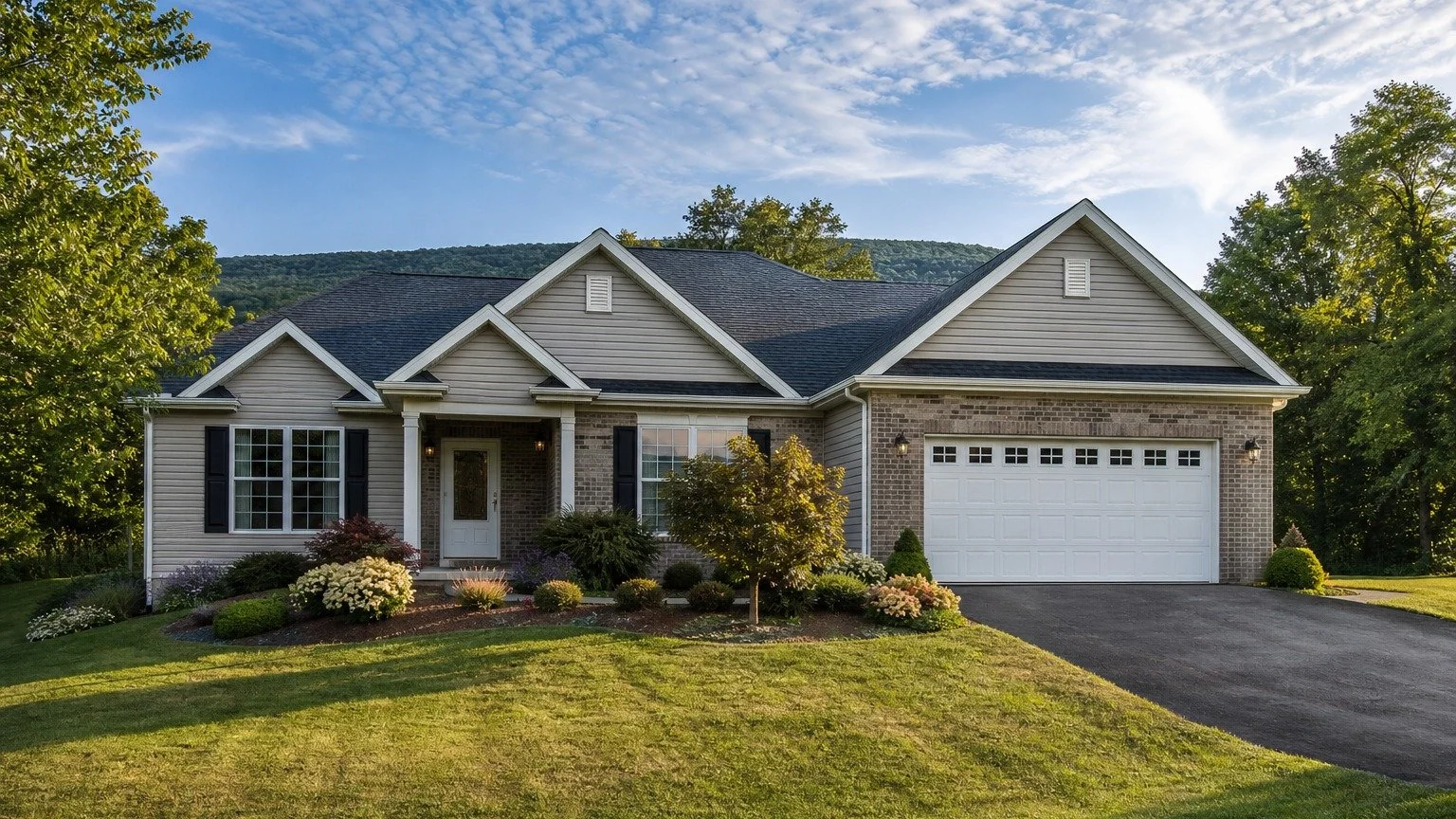
The Eastern Panhandle of West Virginia offers seniors a range of housing options, from low-maintenance ranch-style homes and 55+ communities in Martinsburg and Charles Town to quieter settings in Hedgesville and Shepherdstown, all at price points well below the DC-metro region most retirees are moving from.
What housing options are available for senior living in the Eastern Panhandle of West Virginia?
The Eastern Panhandle offers seniors a genuine mix of choices: single-level ranch homes, active 55+ communities, low-maintenance townhomes, and quieter rural settings with acreage. Prices across the region remain significantly lower than the DC and Northern Virginia markets many retirees are leaving, and the area's proximity to major medical centers, interstates, and everyday conveniences makes it a practical fit for the next chapter.
Key Takeaways
Recent local market data puts the Martinsburg area median sale price at $315,000, with homes averaging just 29 days on market, making it one of the faster-moving areas in the Panhandle for smaller, lower-maintenance homes.
Hedgesville's median sale price of $345,000 and longer average of 52 days on market can give buyers more room to be deliberate, which matters when you're making a long-term lifestyle decision.
A May 2026 Eastern Panhandle market report showed a median sold price of $330,000, up 10.3% from May 2025, so waiting is not a cost-free strategy if you're planning to buy here.
West Virginia home prices were up 4.2% year over year as of mid-2026, meaning equity in a home you're selling elsewhere may go further here than it will in another 12 months.
The right town depends on your priorities: walkability, acreage, proximity to healthcare, or access to community amenities. No single area is the best fit for everyone.
How does the Eastern Panhandle compare to the rest of West Virginia for senior buyers?
If you've been watching the statewide numbers, the Eastern Panhandle runs above the West Virginia average. FRED's Housing Inventory data put the statewide median listing price at $253,250 in April 2026. The Panhandle's closed-sale medians are running higher than that, which reflects the region's demand from DC-area buyers and its relative convenience to major employment corridors.
That said, the Panhandle is still dramatically more affordable than the markets most retirees are coming from. If you're selling a Northern Virginia home and moving here, your equity position is typically strong enough to buy with cash or a very small mortgage. That changes the retirement math considerably.
Here's a quick look at where the four main Panhandle areas currently stand, based on recent local market data:
AreaMedian Sale PriceMedian Days on MarketMartinsburg$315,00029Ranson$326,00035Inwood$376,76028Hedgesville$345,00052
These are area-level medians. Your specific home's value depends on lot size, condition, build year, and street. But as a planning baseline, these numbers tell you what the market is actually doing right now.
According to a May 2026 Eastern Panhandle market report, the median sold price reached $330,000, up 10.3% from May 2025. And Redfin's statewide data shows West Virginia home prices up 4.2% year over year as of mid-2026. This market is moving, and that matters if you're timing a sale and a purchase simultaneously.
For a deeper look at what's driving demand across the region, my post on why DC and NoVA buyers are moving to the Eastern Panhandle lays out the full picture.
What makes Martinsburg a practical choice for downsizing seniors?
Martinsburg is Berkeley County's largest city, and for good reason it keeps coming up when seniors ask me where to look first. You get walkable access to medical offices, grocery stores, pharmacies, and restaurants without needing to drive long distances. The WVU Medicine Berkeley Medical Center is located here, which is a real consideration for anyone thinking long-term about healthcare access.
The median sale price in Martinsburg is running at $315,000 with a 29-day average on market. Ranch-style and single-level homes in this price range do move quickly, so if that's your target, being pre-approved and ready to act matters. I'm always direct with clients about this: the homes that check the most boxes for seniors, single-level layouts, low-maintenance exteriors, no stairs, tend to attract multiple buyers. Knowing your numbers before you start touring puts you in a much stronger position.
What about Charles Town, Ranson, and Shepherdstown?
Charles Town and Ranson sit in Jefferson County, and they offer a slightly different feel. Ranson has seen a lot of newer construction, which means more townhome and patio-home options that are built with low-maintenance living in mind. The median in Ranson is $326,000 with a 35-day average, giving buyers a little more time without the urgency of Martinsburg's pace.
Shepherdstown is one of the most distinctive towns in the Panhandle. It's a college town with a walkable historic district, arts and culture, and a strong sense of community. Inventory is limited, and homes here often carry a premium, but for seniors who want a genuinely walkable lifestyle and a vibrant local scene, it's worth understanding the market there specifically. I cover Jefferson County market dynamics in more detail in my Jefferson County housing market update.
What about Hedgesville and the quieter areas?
Hedgesville and the surrounding parts of Berkeley County offer more space, more privacy, and a slower pace. The median sale price is $345,000 and homes are averaging 52 days on market, which is meaningfully longer than Martinsburg or Inwood. That longer timeline can actually work in a senior buyer's favor if you want the time to be thorough, get the right inspection, and make a considered decision without feeling rushed.
The tradeoff is convenience. You're farther from medical facilities and daily errands, so it's worth being honest with yourself about how much that matters over a five- or ten-year horizon.
What housing types work best for seniors in the Eastern Panhandle?
This is where I spend a lot of time with senior clients before we ever look at a single listing. The right housing type makes a bigger difference than the right town, and getting it wrong is expensive to undo.
Here's what I see working well for seniors in this market:
Single-level ranch homes are the most in-demand option. No stairs, often larger lots, and widely available across Martinsburg, Inwood, and Hedgesville. They move fast at this price point, so be ready.
Townhomes and patio homes in planned communities offer exterior maintenance handled by an HOA, which is a real quality-of-life improvement for many people. Ranson and parts of Martinsburg have newer inventory in this category.
55+ communities provide built-in community structure, amenities, and neighbors at the same life stage. There are options in the Berkeley County area, and more have come online in recent years as demand from the DC corridor has grown.
Smaller single-family homes with manageable lots in established neighborhoods offer independence without the upkeep burden of a larger property. These are often the sweet spot for seniors who want their own space but not a weekend's worth of yard work.
The National Association of Realtors consistently reports that seniors cite maintenance burden as one of the top reasons they move. That's a useful frame: the right home for this chapter isn't just about price, it's about what you won't have to deal with.
If you're also selling a home to fund this move, my post on how to sell your home in Martinsburg in 2026 walks through what that process looks like from the seller's side.
What about the financial side of downsizing?
I won't publish a cost estimate here because every situation is genuinely different, and a number on a blog is not a plan. What I will say is that most seniors I work with in this market are coming from higher-cost areas and are pleasantly surprised by how far their equity goes here.
The costs involved in buying and selling include things like title insurance, recording fees, prorated taxes, and HOA transfer fees where applicable. These are negotiated between parties and vary by transaction. The right move is to sit down and run your actual numbers, which is something I do with every client before they make a decision. A personalized picture is worth far more than a generic estimate.
When a transaction closes in West Virginia, it's handled through a title company, not an attorney. Your title company will provide a full settlement statement before closing so you know exactly where every dollar goes.
Frequently Asked Questions
What are the best towns in the Eastern Panhandle of WV for retirees?
The best town depends on your priorities. Martinsburg offers the most services, medical access, and convenience in Berkeley County. Charles Town and Ranson in Jefferson County have newer construction and a slightly quieter pace. Shepherdstown is a walkable historic college town with strong community character. Hedgesville suits those who want more space and privacy. Each has a different trade-off between convenience, community feel, and price point, and I walk clients through all of them before we start looking.
Are there 55+ communities in Charles Town or Martinsburg?
Yes, there are 55+ and active-adult communities in the Berkeley and Jefferson County areas, and more have been developed in recent years as demand from DC-area retirees has grown. These communities typically offer amenities, exterior maintenance through HOA fees, and neighbors at a similar life stage. Availability and pricing vary, so the best approach is to tell me specifically what amenities and price range matter most to you, and I'll identify what's currently active in the market.
How competitive is the Eastern Panhandle market for smaller ranch-style homes in 2026?
Ranch-style and single-level homes are among the most in-demand property types in this market right now. In Martinsburg, the median days on market is 29 days across all home types, and well-priced single-level homes often move faster than that. Being pre-approved and clear on your must-haves before you start touring is not optional in this environment, it's the difference between getting a home and watching it go to someone else.
How does senior living cost in Berkeley County compare to the rest of West Virginia?
The Eastern Panhandle runs above the West Virginia statewide average. FRED's data put the statewide median listing price at $253,250 in April 2026, while the Panhandle's closed-sale medians are in the $315,000 to $376,000 range depending on the area. That premium reflects the region's proximity to DC and its demand from out-of-state buyers. Even so, it remains significantly more affordable than Northern Virginia or suburban Maryland, which is where most of the buyers relocating here are coming from.
What should seniors look for when choosing a retirement community in the Eastern Panhandle?
Beyond price and layout, the things that matter most over time are proximity to healthcare, HOA structure and fees, what maintenance is and isn't covered, and whether the community's activity level matches how you actually want to live. I'd also encourage seniors to think about five to ten years out, not just today. A home that works perfectly at 65 may create challenges at 75 if it requires a lot of upkeep or is far from medical care. These are the conversations I have with every senior client before we look at a single listing.
The Eastern Panhandle is genuinely one of the better-value options in the mid-Atlantic for seniors who want a lower cost of living without giving up access to services, community, and a real sense of place. Getting the right fit means being specific about what matters most to you, and that's exactly the kind of conversation I'm here for.
If you're ready to see what your options look like, get a free home valuation and let's start the conversation.
About Heather Stauffer
Heather Stauffer is a licensed REALTOR® in Virginia, West Virginia, and Maryland, and a member of the Carolyn Young Team at Samson Properties. She has closed more than 165 real estate transactions representing over $65 million in sales volume, with listings averaging 99.46% of original list price and approximately 40 days on market. Heather works with buyers, sellers, investors, and families across the Eastern Panhandle, with experience spanning first-time purchases, move-up homes, luxury properties, acreage, new construction, and estate sales. She is known for her responsiveness, clear communication, and straightforward advocacy from contract to closing.
Equal Housing Opportunity. Heather Stauffer is a licensed REALTOR® in Virginia, West Virginia, and Maryland, regulated in WV by the West Virginia Real Estate Commission. This article is general information only and is not legal, tax, or financial advice. Confirm your specific numbers with your title company, tax advisor, or lender.
Details
2,052
Words
5
Sources
Author
Heather Stauffer
Created
September 4, 2026
Categories
Buying, Relocation, Market Insights
Tags
senior livingretirement communities WVdownsizing MartinsburgEastern Panhandle WV55+ communitiesBerkeley County WVranch homes WVMartinsburg real estateCharles Town WVHedgesville WV
I Ran a CMA on My Own House. Zillow and the Comps Were $90,000 Apart.
Is the Zillow Zestimate accurate for homes in Berkeley Springs, WV? Not always. Zillow values my Berkeley Springs home at $352,200, but recent local sales support about $250,000–$270,000. That's a gap of roughly $90,000.
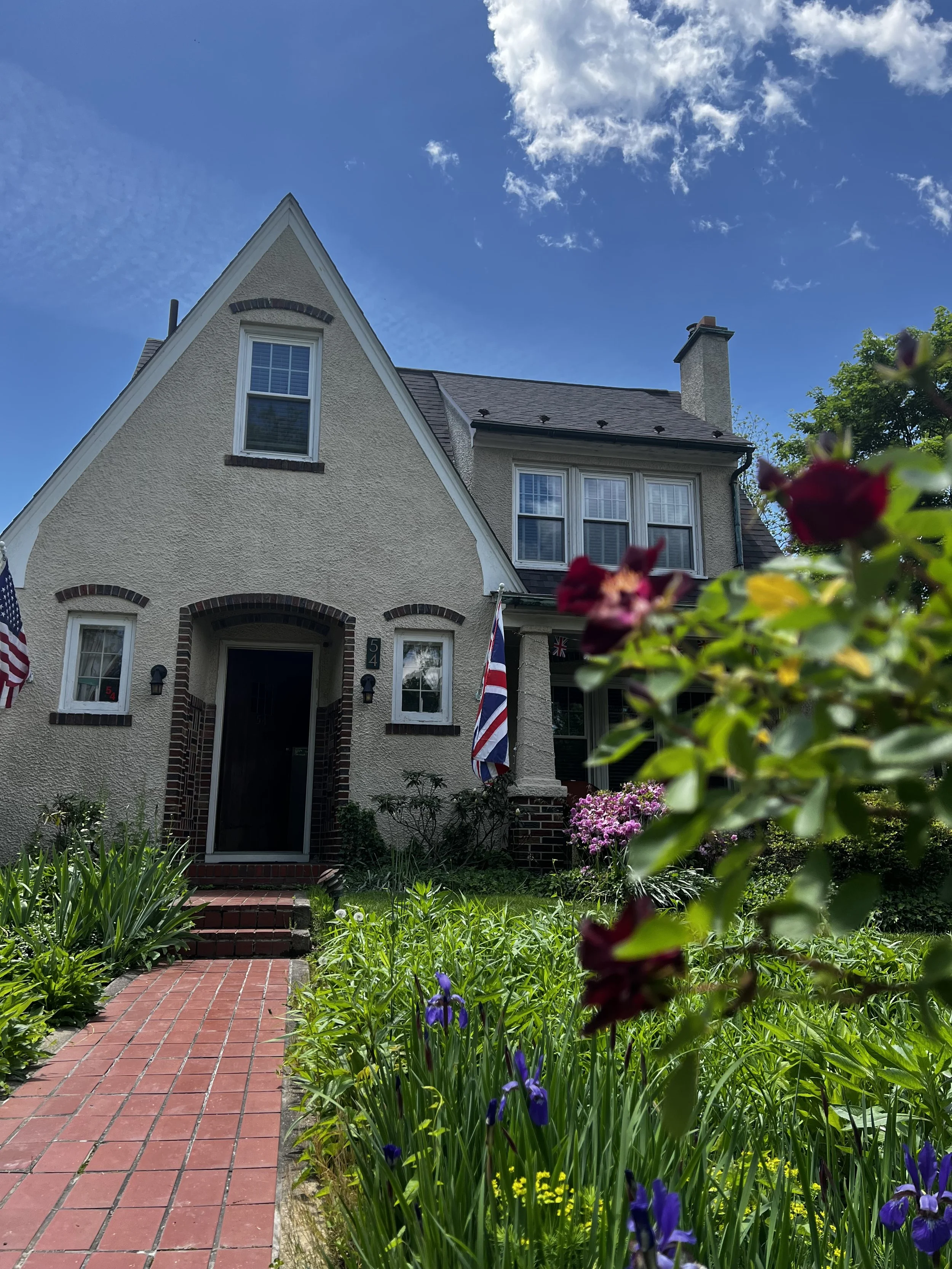
I've pulled hundreds of comparative market analyses (CMAs) for clients across the Eastern Panhandle. Recently I got curious and ran one on my own home. It's a 1931 brick-and-stucco cottage in Berkeley Springs that I bought in 2022 for $310,000.
Then I checked Zillow. The Zestimate: $352,200.
My first reaction was "Great, Zillow agrees with me!" My second reaction, as a REALTOR®, was "Uh oh." If I were selling, one of those numbers would get me to the closing table, and the other would probably leave my house sitting on the market. Here's what I found, and what it means if you're thinking about selling in Morgan County or anywhere in the Eastern Panhandle.
The Numbers Side by Side
SourceValueWhat it's based onWhat I paid (2022)$310,000Peak market, multiple interested buyersZillow Zestimate (today)$352,200Algorithm: past sale + broad trendsCMA from local sales (today)$250,000–$270,000Actual closed sales within 1 mile
That's not a rounding error. It's the difference between a smooth sale and a price reduction.
Why Zillow and a CMA Disagree
1. Zillow anchors on your last sale price
Automated valuation models (AVMs) like the Zestimate lean heavily on a home's sale history. My house sold at the 2022 peak, when homes were going under contract in days. I was actually part of that sale. The Zestimate took that number and layered on general appreciation.
The problem is that the in-town Berkeley Springs market has changed since 2022. Similar homes near me are now selling in the $250,000–$262,000 range.
2. Zillow can't see inside your house
An algorithm doesn't know whether your kitchen was redone last year or in 1985. In the older in-town neighborhoods of Berkeley Springs, condition is the biggest price driver. Recent sales within a mile of my house range from about $129 to $193 per square foot, depending mostly on how updated the home is.
My cottage is in great shape, but the updates since 2022 have been cosmetic. That puts it squarely in the middle of the range, not the top.
3. Zillow casts a wider net
Berkeley Springs is a small market. An algorithm looking for "similar" homes may pull in newer builds or rural acreage properties outside of town, which can push an in-town estimate up or down. A CMA uses a tight radius and a short time window. Mine used detached homes within one mile that sold in the last 12 months.
Zillow is upfront about this: it publishes its own accuracy data, and the error rate is higher for homes that aren't currently for sale.
What the Local Data Actually Shows
Here's the snapshot from Bright MLS for the 1-mile area around my home over the past 12 months:
26 detached homes sold, with a median price of $242,500
Median days on market: about 40
About 4.6 months of inventory, which is a balanced market. Buyers have choices, and they compare carefully.
The detail that matters most for sellers is this: the homes that started too high and cut their price sold for about 14% less than their original asking price, and they took roughly three times as long to sell. The comparable home that was priced right from day one sold at full asking price in about a month.
Why This Matters If You're Selling
Your buyer's appraiser won't use Zillow
If your buyer is financing, the lender will order an appraisal. The appraiser uses closed sales, which is the same approach a CMA takes. If you list at the Zestimate and a buyer agrees to it, the appraisal can still come in low. Then you're renegotiating, or watching the deal fall apart.
Overpricing costs more than time
A listing that sits gets stale. Buyers start asking "What's wrong with it?" Price drops follow, and as the numbers above show, homes that chase the market down often end up below where they'd have sold if they'd been priced right from the start.
Your features still matter
A CMA isn't all bad news. My cottage sits on an unusually large in-town lot and has a garage, and most nearby competitors have neither. Those are real advantages, and a good CMA gives them credit. For you, it might be a finished basement, a first-floor primary bedroom, main-floor laundry, or a big usable yard. Those are exactly the features an algorithm tends to miss.
So What Is My House Worth?
Honestly? To me it's priceless. I adore this place and I'm not going anywhere. But if I were listing it tomorrow, I'd price it around $269,900, not $352,200. I'd rather have strong interest in week one than a price cut in week eight.
The lesson isn't that Zillow is useless. It's a fun starting point and it's great for tracking trends. It just isn't a pricing strategy. When real money is on the line, you want real sales, adjusted for your real house.
Frequently Asked Questions
Why is my Zestimate higher than what my agent says my home is worth? Zestimates often rely heavily on your last sale price and broad market trends, and they can't see your home's condition. If you bought during the 2021–2022 peak, your Zestimate may still reflect those prices rather than today's local sales.
How is a CMA different from a Zestimate? A CMA is prepared by a local agent using recently sold homes near yours, adjusted for differences in size, condition, and features. It follows a method similar to an appraiser's, which is why it's usually a better guide for setting a list price.
Should I list my home at the Zillow price in Berkeley Springs? Only if recent local sales support it. In the in-town Berkeley Springs market, homes priced in line with the comps have sold faster and closer to asking than homes that started high.
Curious what your home is really worth? I'll run the same CMA I ran on my own house, no pressure and no obligation. Call or text Heather Stauffer, REALTOR®, at 301-685-7819. I'm licensed in West Virginia, Virginia, and Maryland, and I know these markets inside and out.
Market data: Bright MLS, detached residential within 1 mile, 12 months ending September 2026. The Zestimate was viewed on September 22, 2026. Learn more about how Zillow calculates the Zestimate.
Berkeley County Property Taxes vs. Loudoun & Fairfax
Berkeley County, WV property tax rates are structurally lower than Loudoun County's 2025 rate of $0.805 per $100 and Fairfax County's $1.12 per $100, meaning buyers and retirees moving to the Eastern Panhandle typically carry a lighter ongoing tax burden, even on a similarly priced home.
How do Berkeley County property taxes compare to Loudoun and Fairfax counties?
Berkeley County, WV uses a combined levy-rate system (county, school board, and municipal where applicable) that generally produces a lower effective property-tax burden than Loudoun County's 2025 base rate of $0.805 per $100 of assessed value or Fairfax County's $1.12 per $100. Virginia assesses real estate at 100% of fair market value, so those Northern Virginia rates apply directly to your home's full market price. For buyers and retirees making the move to the Eastern Panhandle, that structural difference means lower ongoing housing costs, month after month, year after year.
Why the Rate Gap Matters More Than Most Buyers Realize
When people compare homes across state lines, they usually focus on the purchase price. That's understandable. But the purchase price is a one-time number. Property taxes are forever, or at least as long as you own the home.
Here's the framework I walk my clients through. In Virginia, Loudoun County assesses real estate at 100% of fair market value and applies its tax rate directly to that number. Fairfax County does the same, with a 2025 base rate of $1.1225 per $100 of assessed value (and a 2026 base rate of $1.12 per $100). Loudoun's 2025 rate is $0.805 per $100, lower than Fairfax, but still meaningfully higher than what Berkeley County homeowners pay under West Virginia's levy structure.
West Virginia structures property taxes through combined levy rates, separate levies for the county, the Board of Education, and any applicable municipal jurisdiction. Berkeley County publishes its annual levy rates, with the most recent rates available being the 2025 Tax Rates PDF posted on the county's official site (the latest as of August 24, 2026). Owner-occupied residential property (Class II) typically carries the most favorable levy treatment. The result: Berkeley County's combined effective rate generally runs below what Loudoun and Fairfax buyers pay per $100 of value.
That gap has real consequences for your monthly payment and your long-term budget.
What this means for your mortgage payment
Most buyers using a conventional, FHA, or VA loan will have their property taxes escrowed, meaning the lender collects roughly one-twelfth of the expected annual tax bill each month as part of your mortgage payment. The Consumer Financial Protection Bureau explains how mortgage escrow accounts work and why lenders require them.
Here's why that matters: two buyers could take out nearly identical loan amounts, one in Fairfax, one in Martinsburg, and the Fairfax buyer's monthly payment will carry a noticeably larger tax component built into escrow. Lower property-tax rates in Berkeley County reduce that escrow portion, which can also slightly improve a buyer's debt-to-income ratio and create a little more breathing room in the monthly budget. For buyers who are stretching to qualify, that margin matters.
What this means for retirees on fixed incomes
This is a conversation I have often with clients relocating from Northern Virginia. Retirees in Fairfax County face a high base rate applied to assessed values that have climbed significantly in recent years. Being "taxed out" of a home you've owned for decades is a real concern, and it's one of the primary reasons I see retirees making the move east on I-66 and south on I-81 into the Eastern Panhandle.
In Berkeley County, the lower annual levy means more predictable, manageable ongoing costs. You're not trading away access to medical facilities, shopping, or major highway corridors. Communities like Martinsburg, Inwood, and Hedgesville sit along I-81 and within reasonable distance of I-70, keeping Northern Virginia and Maryland job centers and services reachable. According to AARP's homeownership cost guidance, lower effective property-tax rates are consistently cited as a meaningful factor in retirement housing decisions, precisely because the savings compound over time on a fixed income.
The Eastern Panhandle Market in 2026
The tax advantage doesn't exist in isolation. Berkeley County also offers home prices that compare favorably to what buyers face in Northern Virginia. Based on recent Zillow market data (trailing approximately 90 days, as of August 2026), here's how the Eastern Panhandle areas I work in are trending:
AreaMedian Sale PriceMedian Days on MarketMartinsburg$315,00024Charles Town$190,00024Ranson$326,00027Inwood$332,45054
These are area-level medians, an individual home's value depends on condition, street, build year, and timing. But the picture is clear: you can buy a home in Berkeley County at a fraction of what comparable square footage costs in Loudoun or Fairfax, and then carry a lower ongoing tax burden on top of that. That combination is hard to replicate anywhere else within commuting distance of the DC metro.
For more on what's happening in the broader market right now, I'd point you to my post on what's really happening in the Martinsburg, WV housing market, it covers current inventory, pricing trends, and what buyers are competing against.
If you're a first-time buyer trying to understand how all of this fits together, from taxes to down payments to the full closing process, my first-time home buyer guide for the Eastern Panhandle walks through it step by step.
What to Know Before You Close
How property taxes are handled at closing in Berkeley County
In the Eastern Panhandle, closings typically run through a title company or real estate attorney who performs the title search, coordinates title insurance, and prepares the settlement statement. Part of that process involves prorating property taxes between buyer and seller based on the closing date, so you'll only pay your share of the current tax period.
One thing I always flag for clients coming from Virginia: don't assume West Virginia closing conventions match what you're used to. Which party covers specific title company fees, how taxes are prorated (calendar-year vs. fiscal-year basis), and what's negotiable in the contract can differ from Northern Virginia norms. Your title company will calculate everything according to West Virginia's statutory tax periods and Berkeley County's published levy rates, not Virginia's framework.
The practical upside: because Berkeley County's annual levy rates are lower, the buyer's future tax obligations after closing proration will also be lower than they would be in a high-rate Northern Virginia county. That's true whether you're escrowing monthly or paying the county directly.
For a fuller look at how closing costs work on the seller side in this market, my post on seller closing costs in WV for Berkeley, Jefferson, and Morgan counties covers the categories you'll encounter.
Billing schedule: Berkeley County vs. Northern Virginia
Loudoun County collects real estate taxes twice a year, with bills due June 5 and December 5. Fairfax County follows a similar semi-annual structure, with assessments based on the January 1 value each tax year. Berkeley County also bills on a split schedule, with first-half and second-half payments following West Virginia's statutory property-tax calendar. If you're used to Northern Virginia's billing cycle, the WV system is comparable in structure, but your title company will walk you through the specific timing at closing.
The bigger point: lower rates mean each of those payments is smaller, and for buyers who escrow, that difference shows up in your monthly mortgage payment from day one.
A note on the numbers in this post
The Virginia rate figures cited here, Loudoun's $0.805 per $100 and Fairfax's $1.1225 per $100, are 2025 tax-year rates, the latest officially published as of August 24, 2026, sourced directly from Loudoun County's official tax rate page and Fairfax County's real estate tax rate page. Berkeley County's 2025 levy rates are the most recently posted figures on the county site as of this writing. Rates can change annually, always verify current rates with the applicable county before making financial decisions.
Your specific tax picture depends on your home's assessed value, which class of property it falls under, and whether any municipal levies apply to your address. That's where a conversation with a local title company or tax advisor, and a market analysis from someone who knows Berkeley County, makes the difference.
Frequently Asked Questions
How do Berkeley County property taxes compare to Loudoun and Fairfax for a typical homeowner?
Berkeley County uses a combined levy-rate system (county, school board, and municipal) that generally produces a lower effective tax burden than Loudoun County's 2025 base rate of $0.805 per $100 of assessed value or Fairfax County's $1.1225 per $100 (also 2025 tax-year data, latest available as of August 24, 2026). Virginia assesses property at 100% of fair market value and applies those rates directly, while West Virginia's levy structure for owner-occupied Class II residential property typically results in a lower per-dollar-of-value burden. The exact difference depends on your specific property and address, confirm current rates with the county before making decisions.
Are West Virginia property taxes based on the full market value of my home like they are in Virginia?
Not exactly. Virginia counties like Loudoun and Fairfax assess real estate at 100% of fair market value and apply the tax rate directly to that number. West Virginia uses a levy-rate system applied to assessed value, and the assessment methodology and class structure can differ from Virginia's framework. For Berkeley County specifics, review the county's published levy rates and consult with a local title company or tax advisor.
Do first-time buyers in Berkeley County need to escrow property taxes with their mortgage, or can they pay them directly?
Most first-time buyers using conventional, FHA, or VA financing will be required by their lender to escrow property taxes, the lender collects roughly one-twelfth of the expected annual bill each month as part of the mortgage payment. The CFPB has guidance on how escrow accounts work. Because Berkeley County's levy rates are lower than Northern Virginia's, the escrowed tax portion of your monthly payment is typically smaller, which can make a real difference in monthly cash flow. Verify escrow requirements with your specific lender.
What should retirees know about property taxes in Berkeley County vs. Fairfax or Loudoun before downsizing?
Retirees relocating from Fairfax or Loudoun to Berkeley County typically find that the lower annual levy rate translates to a more predictable, manageable ongoing tax bill, an important consideration on a fixed income. AARP's homeownership cost resources consistently highlight lower effective property-tax rates as a key factor in retirement housing decisions. Berkeley County communities like Martinsburg and Inwood also maintain access to regional medical centers, shopping, and I-81/I-70 corridors, so the lifestyle trade-off is less dramatic than many retirees expect.
How often are property tax bills due in Berkeley County, and how is that different from Northern Virginia's schedule?
Berkeley County follows West Virginia's statutory property-tax calendar, with taxes typically split into first-half and second-half payments covering the fiscal year beginning July 1. Loudoun County bills twice a year with due dates of June 5 and December 5; Fairfax County follows a similar semi-annual structure. The billing cadence is comparable in both states, but the amounts differ because of the rate gap. Your title company will walk you through the exact proration and schedule at closing.
The property-tax advantage in Berkeley County is real, measurable, and ongoing, it shows up in your monthly payment, your annual budget, and your long-term cost of ownership. Paired with home prices that are a fraction of what comparable homes cost in Loudoun or Fairfax, the Eastern Panhandle offers a combination that's genuinely hard to find this close to the DC metro.
If you want to see exactly how this plays out for a specific home or price range you're considering, I'm happy to walk through it with you. Get a free home valuation or reach out to start the conversation.
About Heather Stauffer
Heather Stauffer is a licensed REALTOR® in Virginia, West Virginia, and Maryland and a member of the Carolyn Young Team at Samson Properties. She has successfully closed more than 165 real estate transactions representing over $65 million in sales volume, with listings averaging 99.46% of original list price and approximately 40 days on market. Heather serves buyers, sellers, investors, and families throughout the Eastern Panhandle and the broader tri-state region, with experience spanning first-time purchases, move-up homes, luxury properties, acreage, new construction, and estate sales. She is known for her responsiveness, attention to detail, and straightforward advocacy from contract to closing.
Equal Housing Opportunity. Heather Stauffer is a licensed REALTOR® in Virginia, West Virginia, and Maryland, affiliated with the Carolyn Young Team at Samson Properties, and subject to oversight by the West Virginia Real Estate Commission. This article is general information only and does not constitute legal, tax, or financial advice. Property tax rates, assessments, and billing schedules change annually, confirm current figures and your specific obligations with your attorney, tax advisor, lender, or closing/title officer before making any financial decision.
MARC Brunswick Line and Eastern Panhandle Real Estate
The MARC Brunswick Line runs weekdays from Martinsburg, WV to DC Union Station in roughly 80-90 minutes, making the Eastern Panhandle a realistic base for DC-area workers. Proximity to MARC stations shapes buyer demand, days on market, and pricing across Berkeley and Jefferson counties.
How does the MARC Brunswick Line affect real estate in the Eastern Panhandle of West Virginia?
The MARC Brunswick Line runs weekdays from Martinsburg, WV to Washington DC's Union Station in approximately 80-90 minutes, connecting Eastern Panhandle buyers to one of the country's largest job markets without a car. That rail access is a genuine pricing and demand driver in neighborhoods near Martinsburg and Harpers Ferry stations, and it's one of the first things I explain to relocation buyers comparing the Eastern Panhandle to other DC-area suburbs.
Key Takeaways
The MARC Brunswick Line runs weekdays only from Martinsburg, WV to DC Union Station, with scheduled travel times in the 80-90 minute range depending on the train and stopping pattern.
The median sale price in Martinsburg is $322,824 and homes are selling in a median of 33 days, according to recent local market data, one of the faster-moving submarkets in the Panhandle.
Ranson and Inwood, both close to the Jefferson County corridor, carry median sale prices of $325,000 and $377,000 respectively, with median days on market of 29 and 30, reflecting strong demand in commuter-accessible areas.
A schedule change for the Brunswick Line is set for September 28, 2026, meaning buyers house-hunting right now should review the updated timetable before finalizing a location decision.
At Union Station, MARC connects directly to Washington Metrorail, expanding effective job access well beyond downtown DC to offices along multiple Metro corridors.
What does the Brunswick Line actually offer Eastern Panhandle commuters?
The short answer: a predictable, stress-free alternative to I-270 and I-66 traffic for workers with weekday DC schedules.
According to the Maryland Transit Administration's Brunswick Line timetable, eastbound morning trains depart Martinsburg roughly between 5:00 and 6:25 AM and arrive at Union Station between approximately 7:09 and 8:52 AM, a scheduled travel window of about 80-90 minutes depending on the train. That puts most riders at their desks well within federal core hours.
The westbound return runs between roughly 3:30 PM and 7:25 PM from Union Station, timed to cover standard eight-to-nine-hour workdays and extended hours. It's a structure built around traditional DC office schedules, which matters when you're deciding where to live.
One thing I always make clear to clients: this is a weekday-only service from Martinsburg. There are no weekend trains from the WV terminus. If your job requires weekend DC presence, hospital shifts, security roles, hospitality work, MARC becomes a partial solution rather than a daily anchor, and that changes how much station proximity should influence your home search.
The Union Station connection makes the whole DC region accessible
Arriving at Union Station isn't just arriving in DC. The Maryland Transit Administration highlights MARC's integration with Washington Metrorail, meaning a rider stepping off the Brunswick Line can immediately transfer to Metro lines reaching Farragut North, Judiciary Square, NoMa, and dozens of other employment centers without ever getting in a car.
For buyers who work near a Metro stop rather than directly at Union Station, that intermodal connection is what makes the Eastern Panhandle viable. A realistic door-to-desk pattern might look like: home near Martinsburg station, MARC to Union Station, Red Line to Farragut North. It adds time, but for many buyers the predictability and the ability to work on the train outweigh the extra minutes.
A schedule change is coming, buyers should know this
The MTA confirms that the current Brunswick Line schedule took effect August 1, 2023, and that the next schedule change is set for September 28, 2026. If you're buying a home in September or October 2026, you should pull the updated timetable once it publishes and confirm that the departure and arrival windows still work for your office schedule. I tell every commuter-buyer I work with to treat the schedule as a living document, not a fixed assumption.
Service disruptions are also part of the reality. The MTA deploys R+ alternate schedules when equipment or infrastructure issues arise, and on those days only certain trains run. It's not a dealbreaker for most buyers, but it's worth factoring into your commute planning, especially if you're comparing rail-dependent living to a highway commute where you control the departure time.
How does MARC access shape demand and pricing across the Eastern Panhandle?
Station proximity matters, but it's not the only factor, and the numbers across the Panhandle reflect that nuance.
According to recent local market data, Martinsburg's median sale price sits at $322,824 with a median of 33 days on market and 271 active listings. That's a market moving at a healthy pace, supported in part by the fact that Martinsburg is the Brunswick Line's western terminus. Buyers who want the shortest possible walk or drive to a MARC train tend to focus their search here first.
Here's how the broader Eastern Panhandle looks right now:
AreaMedian Sale PriceMedian Days on MarketRanson$325,00029Shepherdstown$499,00061Harpers Ferry$409,00053Inwood$377,00030Hedgesville$344,95051
Source: Aggregated public listing data, trailing ~90 days, as of September 2026. Area-level medians, individual home values vary by condition, street, and timing.
Ranson and Inwood, both in the Jefferson County corridor with reasonable proximity to the rail line, are among the fastest-moving markets in the table. Harpers Ferry, which has its own MARC/Amtrak station on the Brunswick Line route, commands a notably higher median price and sits on the market longer, partly because of its historic character and scenic setting, which attract a different kind of buyer than Martinsburg's commuter-first market.
Shepherdstown is the outlier: higher price point, slower days on market, and less of a commuter-rail story. Buyers there tend to be drawn by the town's character and Shepherd University presence rather than station access. That's a reminder that MARC proximity is one pricing driver among several, not the whole story.
Rail-adjacent buyers vs. park-and-ride buyers
In my experience working with DC-area relocation buyers, two distinct patterns emerge. The first group wants to be within a short drive or walk of Martinsburg or Harpers Ferry station, they're daily or near-daily MARC riders and they'll pay a premium (in convenience, if not always in price) to minimize morning logistics. The second group is comfortable driving 20-30 minutes to a Maryland station like Brunswick or Point of Rocks, treating the Eastern Panhandle as an affordable base where MARC is available but not essential.
That second group often ends up in communities farther from the WV stations, Inwood, Hedgesville, Spring Mills, Bunker Hill, where you get more house and land for the price. The Brunswick Line's 17-station route through Western Maryland means those buyers still have rail access; it just requires a longer drive to board.
Which profile fits you depends on how often you'll actually commute. Hybrid workers going to DC two or three days a week often find that park-and-ride flexibility works fine. Daily commuters tend to weight station proximity more heavily, and that preference shows up in which neighborhoods they shortlist. If you're not sure which category you fall into, that's exactly the kind of conversation I have with buyers before we start looking at specific streets and subdivisions. For a broader look at why DC and Northern Virginia buyers are choosing this region, this post covers the full picture.
The U.S. Census Bureau's ACS commuting data for the Washington region consistently shows that proximity to fixed-guideway transit like MARC increases the share of workers using public transportation in a submarket, which in turn supports housing demand near those stations. The same pattern holds in the ACS commuting data for West Virginia, where transit use is low overall but concentrated near rail access points.
For a current read on what's happening with inventory and pricing in Martinsburg specifically, this market update goes deeper on the numbers.
Frequently Asked Questions
How long does the MARC train from Martinsburg to DC Union Station take, and is it reliable enough for a daily commute?
Scheduled travel time from Martinsburg to Union Station runs approximately 80-90 minutes depending on the train and stopping pattern, based on the current Brunswick Line timetable. Reliability is generally good, but the MTA does deploy alternate R+ schedules during equipment or infrastructure issues, which can reduce the number of trains running on a given day. Most daily commuters find the predictability of rail preferable to I-270 or I-66 traffic variability, but it's worth reviewing service alert history before committing to a rail-dependent commute.
Does the MARC Brunswick Line run on weekends from Martinsburg or Harpers Ferry?
No, the Brunswick Line operates on weekdays only from the Martinsburg and Harpers Ferry stations as of September 2026. If your schedule requires weekend trips to DC, you'll need to drive or use another transportation option. This is an important detail for buyers whose jobs involve any weekend DC presence, as it changes how much weight station proximity should carry in the home search.
Which Eastern Panhandle neighborhoods give the easiest MARC station access?
Martinsburg offers the most direct access as the Brunswick Line's western terminus, making it the top choice for buyers who want the shortest possible commute to the station. Harpers Ferry has its own stop on the line and appeals to buyers who want a more historic, scenic setting. Communities like Inwood, Ranson, and Charles Town are a short drive from the WV stations or from Maryland stations like Brunswick and Point of Rocks, giving buyers flexibility without requiring station-adjacent living. Your best option depends on how often you'll actually ride and how much morning drive time you're willing to add.
If I work near a DC Metro stop, can I reach my office using MARC at Union Station?
Yes, Union Station is a full intermodal hub where MARC connects directly to Washington Metrorail and local bus lines, as the MTA's MARC for Metro page explains. That means Eastern Panhandle residents can reach offices along the Red, Blue, Orange, Silver, and Green lines without a car. The total door-to-desk time is longer than for someone living inside the Beltway, but the combination of MARC and Metro makes a wide range of DC-area job locations reachable by rail.
With the Brunswick Line schedule changing September 28, 2026, should I factor that into where I buy?
It's worth being aware of, but it shouldn't paralyze a decision. The MTA periodically adjusts timing and stopping patterns, and the upcoming change may shift departure or arrival windows by minutes rather than fundamentally restructuring the line. What I tell buyers is to pull the updated timetable once it's published, confirm the new morning departure from Martinsburg still fits their office schedule, and not assume the current times are permanent. If you're under contract or actively searching right now, that's a quick verification step worth doing before closing.
Is it realistic to live in Martinsburg or Charles Town and commute to a federal job in DC on the Brunswick Line?
Many Eastern Panhandle residents do exactly this. The combination of lower West Virginia housing costs, more square footage and land than comparable DC-area suburbs, and a weekday rail connection to Union Station makes it a workable trade-off for federal workers, particularly those on hybrid schedules who go in two or three days a week. The key variables are your agency's core hours, how close you live to the station, and your tolerance for the 80-90 minute train ride each way. I work with relocation buyers in this situation regularly, and the math on housing costs versus commute time often lands in the Panhandle's favor.
If you're weighing a move from DC or Northern Virginia, I've written about the broader reasons buyers are making this choice in this post on why DC and NoVA buyers are relocating to the Eastern Panhandle.
The bottom line on MARC and Eastern Panhandle real estate
The Brunswick Line is a genuine asset for Eastern Panhandle buyers, not a marketing line. It turns an 80-90 minute train ride into a workable daily or hybrid commute, and it's one of the clearest reasons this market continues to attract buyers priced out of closer-in DC suburbs. Where you land in the Panhandle, and how much you should weight station proximity, depends entirely on your job schedule, your commute tolerance, and the kind of home you're looking for.
That's a conversation worth having before you start touring houses. Get a free home valuation or reach out to talk through your options, I'll help you figure out which part of the Panhandle actually fits your commute and your life.
About Heather Stauffer
Heather Stauffer has successfully closed more than 165 real estate transactions, representing over $65 million in sales volume across Virginia, West Virginia, and Maryland. Her listings have achieved an average of 99.46% of the original list price, with properties averaging approximately 40 days on market, a track record built on strategic marketing, skilled negotiation, and genuine local expertise. A licensed REALTOR® in Virginia, West Virginia, and Maryland, Heather serves buyers, sellers, investors, and families throughout the Eastern Panhandle and surrounding region, with experience spanning first-time purchases, move-up homes, luxury properties, acreage, new construction, and estate sales. She is a member of the Carolyn Young Team at Samson Properties.
Equal Housing Opportunity. Heather Stauffer is a licensed REALTOR® in Virginia, West Virginia, and Maryland, regulated in WV by the West Virginia Real Estate Commission. This article is general information only and does not constitute legal, tax, or financial advice, confirm your specific numbers with your title company, tax advisor, or lender.
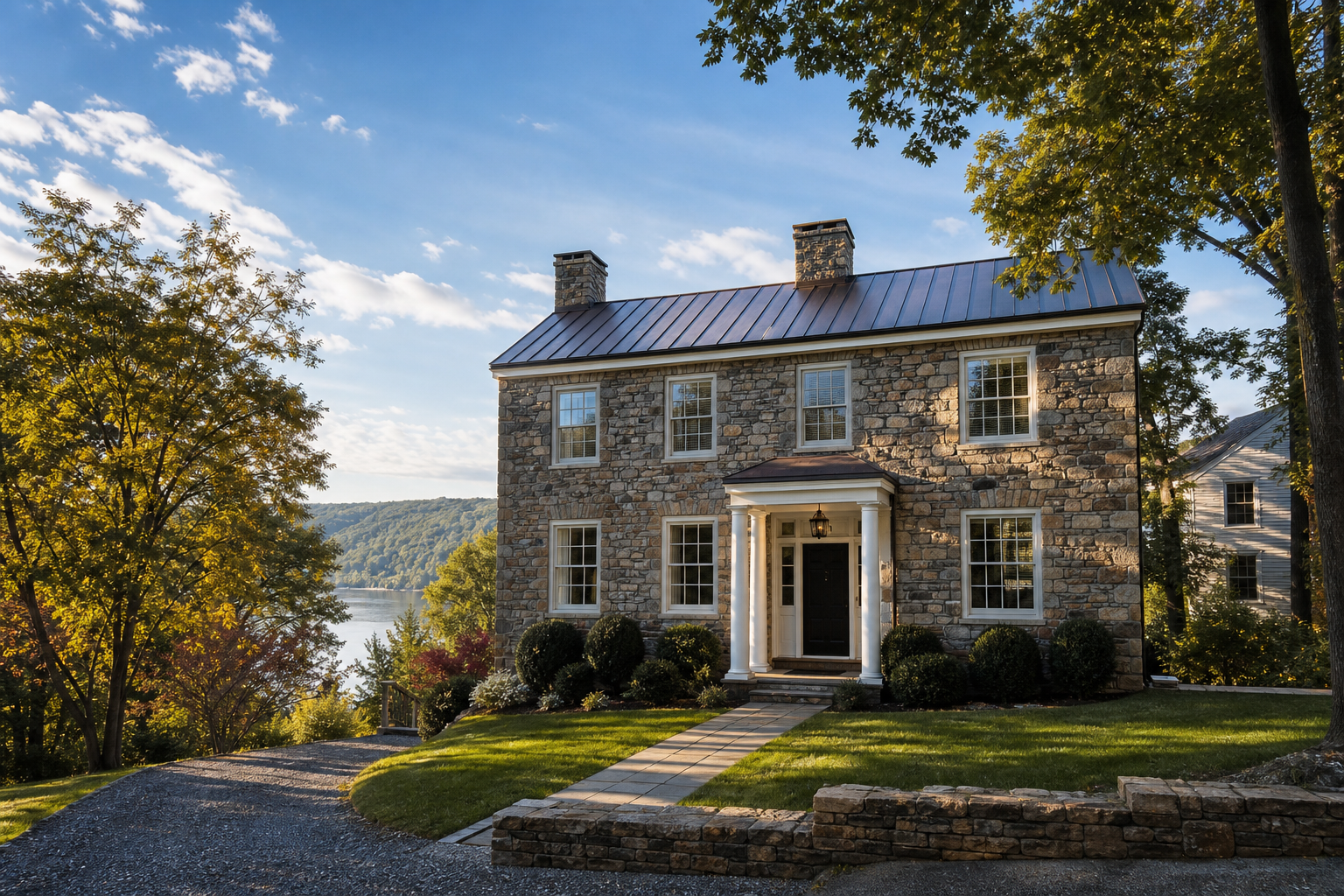
What to Look for in an Eastern Panhandle REALTOR®
In the Eastern Panhandle's fast-moving 2026 market, the right REALTOR® makes a measurable difference in price, timeline, and outcome. Look for verified local transaction history, knowledge of Berkeley and Jefferson County micro-markets, and a track record of closing deals, not just listing them.
Why does experience matter when choosing a REALTOR® in the Eastern Panhandle?
In a market where homes in areas like Inwood are going under contract in roughly 28 days and the median sale price across the region ranges from $185,000 in Charles Town to over $540,000 in Shepherdstown, the agent you choose directly affects your outcome. An experienced local REALTOR® brings micro-market pricing knowledge, established relationships with lenders and inspectors, and the negotiation skills to protect your position when things move fast or get complicated.
Key Takeaways
Recent local market data shows a median sale price of $323,495 and a median of 44 days on market in the Ranson area, reflecting a competitive 2026 landscape where pricing precision matters.
Median days on market across Eastern Panhandle communities ranges from 28 days in Inwood to 63 days in Shepherdstown, meaning your agent's local knowledge of each submarket is not interchangeable.
West Virginia requires 90 hours of pre-licensing education plus a state and national criminal history check before an agent can be licensed, but licensing is a floor, not a differentiator.
To reach broker or associate broker level in WV, an agent must hold an active salesperson license for at least two years and complete additional education and examination requirements.
An agent's list-price-to-sale-price ratio and average days on market are the two most revealing performance metrics to ask for before you sign anything.
What separates a licensed agent from a truly experienced one in West Virginia?
Every agent practicing in West Virginia has cleared the same baseline: at least 18 years old, a high school diploma or equivalent, a state and national criminal history check, and 90 hours of Commission-approved pre-licensing education before sitting for the exam. That's the floor. It's what every agent has on day one.
What the licensing exam cannot measure is what actually protects you in a transaction: how many deals an agent has navigated, how they handle a low appraisal in a rising-price market, and whether they know the difference between pricing a commuter-corridor townhome off I-81 and a rural acreage property in Morgan County.
To become a broker or associate broker in West Virginia, an agent must have been licensed as a salesperson for at least two years, complete additional broker-specific coursework, and pass a separate broker exam. That elevated threshold exists because more complex transactions demand more experience. Consumer licensing summaries confirm that broker-level licensure typically requires two years of active salesperson experience plus a defined number of closed transactions.
The West Virginia Real Estate Commission's Series 1 licensing and conduct rules took effect April 7, 2026, reflecting recent regulatory updates. Every licensee is also required to complete at least seven hours of continuing professional instruction per renewal cycle to keep their license active. Agents who stay current with those changes are better positioned to prevent procedural missteps that could delay or derail your closing.
Licensing tells you someone met the minimum. Transaction history tells you what they've actually done with it.
The numbers that actually tell you what you need to know
When you're interviewing agents, ask for two specific numbers: their average list-price-to-sale-price ratio and their average days on market. Those two figures, together, tell you more than any bio.
My listings have averaged 99.46% of the original list price, and properties I've represented have averaged approximately 40 days on market. Across more than 165 closed transactions and over $65 million in sales volume in Virginia, West Virginia, and Maryland, those numbers reflect consistent execution, not a lucky streak.
If an agent can't give you those figures, or they're vague about their transaction count, that's information too.
How the Eastern Panhandle's 2026 market makes local expertise non-negotiable
The Eastern Panhandle is not one market. It's a collection of micro-markets that behave differently from one another, and the gap between them is wide enough to matter.
Here's what recent local market data shows across the communities I work in:
AreaMedian Sale PriceMedian Days on MarketCharles Town$185,00038Shepherdstown$540,00063Harpers Ferry$409,00049Inwood$384,91128Hedgesville$349,95049
That's a $355,000 spread between the lowest and highest medians in the same region. Inwood moves in under a month. Shepherdstown takes twice as long. An agent who treats those two markets the same way, same pricing strategy, same offer approach, same timeline expectations, is going to cost you.
In the Ranson area specifically, recent local market data shows a median sale price of $323,495 and a median of 44 days on market, with 103 active listings and 64 homes sold in roughly the last 90 days. That level of activity means buyers and sellers both need an agent who can read the current tempo and act on it, not one who's learning the market as they go.
For context on what's driving demand in this region, my post on why DC and NoVA buyers are moving to the Eastern Panhandle breaks down the commuter and relocation patterns that shape pricing and competition here.
Appraisals, loan types, and offer structure in a competitive market
In areas where values have appreciated steadily, appraisal gaps are a real risk. An experienced agent knows how to select comparable sales that support the contract price, and how to structure an offer that anticipates a potential gap before it becomes a problem.
Financing type also matters more than buyers expect. In competitive submarkets, a seller reviewing multiple offers is making a judgment call about which one is most likely to close. An agent who understands how FHA, VA, USDA, and conventional loans are perceived in a specific submarket, and who can communicate your financing strengths clearly, can change the outcome of that evaluation.
I've worked with buyers across all of those loan types in Berkeley and Jefferson Counties. That experience shapes how I write offers and how I advise clients on positioning. If you're navigating this as a buyer, my first-time home buyer guide for the Eastern Panhandle covers a lot of the groundwork.
For sellers, pricing strategy in this market is not a formula. The right list price in a commuter-heavy neighborhood close to US-340 is not the same calculation as the right price for a rural property in the western part of Berkeley County. I walk every seller through that analysis before we set a number, because the first two weeks on market are when you have the most leverage, and a mispriced listing gives that leverage away.
If you're thinking about selling, my post on how to sell your home in Martinsburg in 2026 covers what the current market actually requires from sellers.
The West Virginia Real Estate Commission sets the rules every agent must follow, and as of May 2026, those rules and processes continue to be updated. An agent who stays on top of those changes protects you from compliance problems that could slow or jeopardize your closing. In WV, closings are handled by a title company, and a smooth closing depends on all the paperwork being in order well before you get to the table.
Your specific situation, your home's condition, your timeline, your financing, determines what strategy actually fits. That's exactly the kind of conversation I have with every client before we make a single move. Get a free home valuation and we can start there.
FAQ: Choosing a REALTOR® in the Eastern Panhandle
Why does it matter if my REALTOR® has experience specifically in the Eastern Panhandle?
Local experience means knowing that Inwood and Shepherdstown behave like completely different markets even though they're in the same region, and pricing or negotiating accordingly. An agent who works this area regularly has established relationships with local lenders, inspectors, and title companies, which reduces friction when issues come up. General real estate knowledge doesn't substitute for knowing how a specific submarket moves right now.
What's the real difference between a new agent and a seasoned one when I'm buying in Martinsburg?
A seasoned agent has navigated enough transactions to anticipate problems before they surface, appraisal gaps, inspection negotiations, financing hiccups, and tight timelines. In Martinsburg, where homes are moving in the 30-to-45-day range, you don't have room to learn on the job. The practical difference shows up in how quickly your agent spots a problem and how effectively they resolve it without losing the deal.
How can I tell if an agent in Berkeley or Jefferson County is truly client-focused?
Ask for their list-price-to-sale-price ratio and their average days on market, those numbers reflect real outcomes, not just effort. Also pay attention to how they communicate in the first conversation: do they ask about your goals and timeline, or do they move straight to what they can sell you? A client-focused agent is direct about what's realistic, not just what you want to hear.
Are all West Virginia real estate agents licensed the same way, or does broker-level experience change things?
All agents must meet the same baseline requirements to get licensed, including 90 hours of pre-licensing education and passing a background check. But reaching broker or associate broker level requires at least two years of active salesperson experience, additional coursework, and a separate broker exam. That higher threshold reflects the additional complexity brokers are expected to handle, which matters when your transaction involves anything beyond a straightforward sale.
What questions should I ask a potential listing agent in the Eastern Panhandle before I commit?
Ask how many transactions they've closed in the past 12 months in your specific area, what their average list-price-to-sale-price ratio is, and how they'd price your home differently from a comparable property in a neighboring community. A strong agent will answer those questions specifically, not generally. If the answers are vague, keep looking.
The right agent in this market isn't just someone with a license, it's someone with the transaction history, local knowledge, and communication style to protect your interests from the first conversation to the closing table. Request a free home valuation and let's talk about what your specific situation actually requires.
About Heather Stauffer
Heather Stauffer is a licensed REALTOR® in Virginia, West Virginia, and Maryland and a member of the Carolyn Young Team at Samson Properties. She has closed more than 165 real estate transactions representing over $65 million in sales volume, with listings averaging 99.46% of original list price and approximately 40 days on market. Heather serves buyers, sellers, investors, and families throughout the Eastern Panhandle of West Virginia and surrounding region, with experience spanning first-time purchases, move-up homes, luxury properties, acreage, new construction, and estate sales. She is known for her responsiveness, straight talk, and commitment to delivering results for every client.
Equal Housing Opportunity. Heather Stauffer is a licensed REALTOR® in Virginia, West Virginia, and Maryland, regulated by the West Virginia Real Estate Commission. This article is general information only and does not constitute legal, tax, or financial advice, confirm your specific numbers with your title company, tax advisor, or lender.
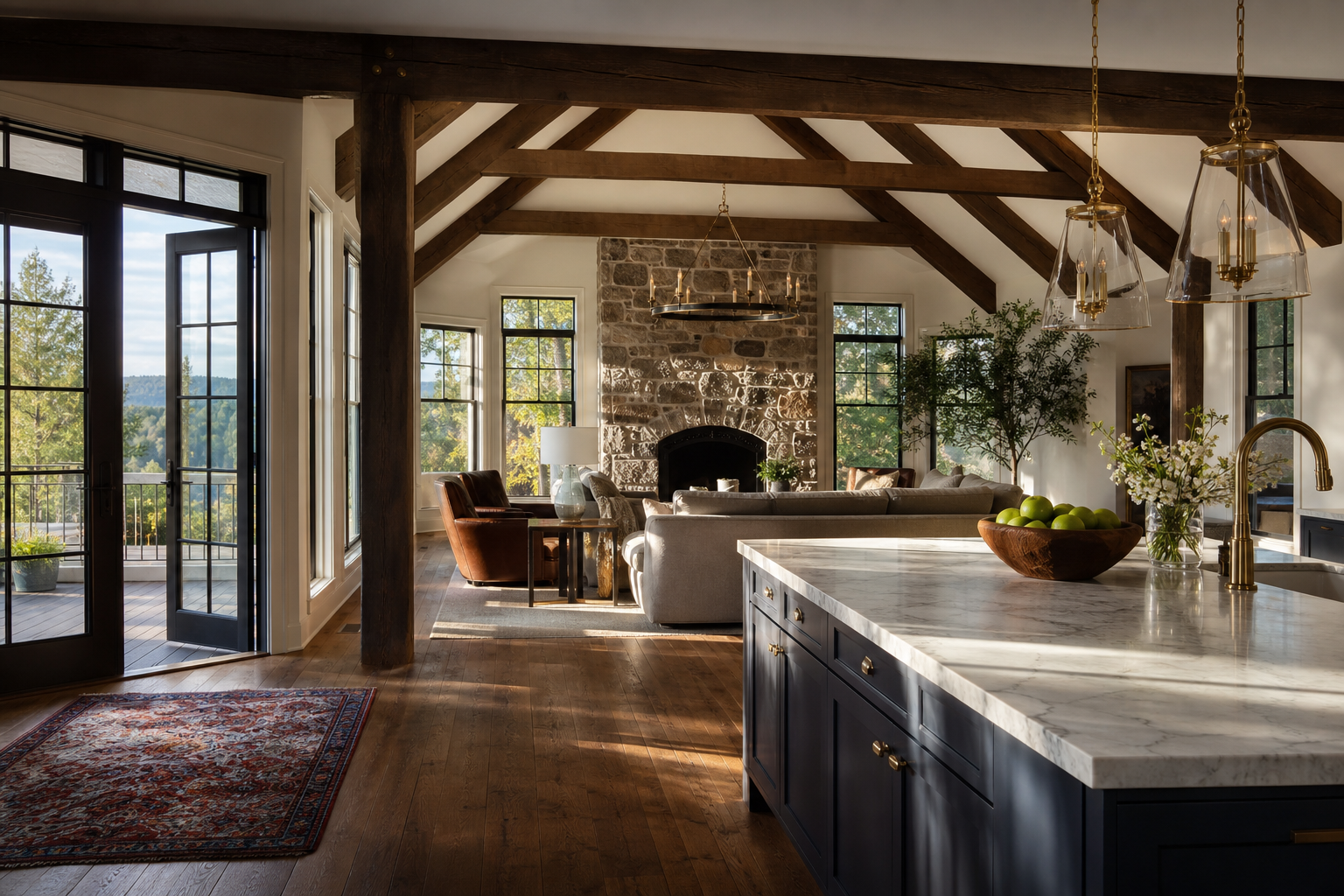
Luxury Homes in Shepherdstown WV: What to Know
Shepherdstown, WV offers a distinct luxury market where high-end homes range from renovated historic in-town properties to private estate-style acreage, with median prices around $500,000 and select listings reaching $1M or more. Inventory is limited, and properties at this tier tend to move more slowly, giving prepared buyers a real advantage.
What does the luxury real estate market in Shepherdstown, WV actually look like in 2026?
Shepherdstown's luxury market is unlike anything else in the Eastern Panhandle. Recent local market data puts the median sale price in Shepherdstown at $500,000, with an average closer to $513,703 as of late August 2026, making it the highest-priced market in Jefferson County by a meaningful margin. True luxury here starts above that median and climbs into seven figures for the right estate property. If you're a high-end buyer exploring the region, this town deserves a serious look.
Why Shepherdstown Stands Apart in the Eastern Panhandle
I work with buyers across the entire Eastern Panhandle, and Shepherdstown comes up differently in every conversation. It's not just about price, it's about what you're buying into.
The town sits along the Potomac River, directly across from the C&O Canal in Maryland, with a historic downtown anchored by Shepherd University. That combination of walkable culture, preserved architecture, and natural access is genuinely rare in this region. Buyers who choose Shepherdstown are usually looking for something specific: character, privacy, a sense of place, and a commutable distance to the D.C. metro or Frederick/Hagerstown corridors.
Compare that to what you'd find elsewhere in Jefferson County, and the difference is clear.
AreaMedian Sale PriceMedian Days on Market Martinsburg$300,00042 Charles Town$187,50032 Ranson$323,49549 Shepherdstown$500,00058 Harpers Ferry$399,64028
Shepherdstown's median sale price is more than 65% above Martinsburg and more than double Charles Town. That premium reflects demand, not just inventory, and it has held up even as Jefferson County saw a brief softening in late 2025. According to Redfin's Jefferson County housing market data, the county's median sale price dipped to $376,000 in December 2025, down about 2.3% year-over-year. Shepherdstown's tier weathered that period better than the broader market.
Longer-term appreciation has been substantial. The Federal Reserve's All-Transactions House Price Index for Jefferson County shows an index value of 256.88 in 2025 (base year 2000 = 100), reflecting decades of consistent price growth. And as of May 2025, the most recent data point available, 55.56% of Jefferson County listings had year-over-year price increases, a signal of a competitive environment even in a market that was cooling elsewhere.
For buyers wondering how Shepherdstown fits into the broader regional picture, my Jefferson County housing market update covers the full landscape in detail.
What Luxury Actually Looks Like in Shepherdstown
"Luxury" means something different here than it does in Northern Virginia or D.C. proper. You're not shopping for a high-rise penthouse or a McMansion in a gated subdivision. What you'll find instead falls into two distinct categories, and both are genuinely compelling.
Historic In-Town Properties
Renovated historic homes near downtown Shepherdstown and Shepherd University represent a specific kind of luxury: preserved architecture, updated interiors, walkability to restaurants and galleries, and a per-square-foot premium that reflects their scarcity. These properties don't come to market often, and when they do, they attract buyers who understand what they're getting.
The tradeoff is lot size, in-town historic homes tend to sit on smaller parcels. What you gain is character and convenience that newer construction simply can't replicate.
Estate and "Refined Country" Properties
This is the segment that generates the most buyer interest from outside the region. Properties like those on Zillow's Shepherdstown luxury listings, including large-lot homes at addresses like 105 Rabbits Rest Ln and the estate at 277 Shveda Way, illustrate what "refined country living" looks like in practice: multiple acres, wooded or pastoral views, high-end finishes, and the kind of privacy that's simply not available closer to D.C.
Based on active 2026 listings and recent marketing language on Redfin's Shepherdstown listings page, high-end properties in this tier typically feature:
Large lots or multiple acres with wooded privacy or open fields
Architectural character, historic farmhouses, stone homes, or newer builds designed to echo traditional styles
Outdoor living spaces: expansive decks, covered porches, patios, and occasionally pools, often oriented toward mountain, farm, or river-adjacent views
High-end interior finishes: stone countertops, hardwood floors, custom cabinetry, quality appliances, and modern primary suites
Multi-car garages and practical storage for buyers with vehicles, equipment, or hobby needs
Short drives to commuter routes for buyers working toward the D.C. metro, Frederick, or Hagerstown
Prior listings on Zillow's Shepherdstown luxury search have included seven-figure properties, 308 Amnesty Way listed at $1,500,000 and 115 Windward Ln at $1,250,000, demonstrating that true estate-level inventory does appear in this market, though it's rare and tends to attract a more specialized buyer pool. According to Redfin's Shepherdstown luxury homes search, there were approximately 3 active luxury listings at a median list price near $499,000 in early 2026, with the overall average closer to $513,703 per Homes.com's Shepherdstown market data as of late August 2026.
If you're relocating from Northern Virginia or the D.C. suburbs, this context matters: what counts as luxury in Shepherdstown is priced well below comparable square footage and land in those markets. That value gap is a real part of the appeal.
I've worked with buyers making exactly that move. For more on why the Eastern Panhandle draws so many D.C. and NoVA buyers, this post breaks down the full picture.
What Buying a Luxury Home in Shepherdstown Actually Involves
The process here has some nuances worth knowing before you start touring.
Inventory in the luxury tier is genuinely limited. With only a handful of active listings at any given time, you're not shopping a deep pool. That means preparation matters more than speed, knowing exactly what you want, having your financing in order, and being ready to act when the right property appears.
I always recommend buyers get pre-approved before we start seriously touring. In a market with limited high-end inventory and sellers who have options, showing up with a pre-approval letter isn't just good practice, it's how you get taken seriously at the table.
Shepherdstown's median days on market sits at 57-58 days, which is longer than most other areas in Jefferson County. That's partly a function of price point, luxury buyers take more time, and sellers at this tier aren't always in a rush. But it also means that if you've been watching a property and it's still available, that's not necessarily a red flag. It may simply reflect the pace of this segment.
On the title side, West Virginia closings are handled by a title company, not an attorney. For luxury properties, especially older homes, larger parcels, or properties with agricultural or mixed-use histories, thorough title work matters. Jefferson County records can be complex, and working with a title company experienced in this area is worth prioritizing. I keep a short list of firms I trust for exactly this reason.
Broker fees and commissions are fully negotiable and not set by any law or standard rate. The listing-side fee is established in the seller's listing agreement, and any compensation offered to a buyer's agent is a separate, optional negotiation. Your specific situation is worth a direct conversation.
Your specific number, what a property is worth, what a competitive offer looks like, what the title work will surface, depends on condition, parcel history, location within town or outside it, and current inventory. That's exactly the kind of analysis I do before a client makes a move. Get a free home valuation or reach out to start a conversation about what's available.
Frequently Asked Questions
What price range counts as "luxury" in Shepherdstown, WV right now?
With a median sale price around $500,000 and an average near $513,703 as of late August 2026, luxury in Shepherdstown generally starts in the high-$500s to $700s for newer or significantly upgraded properties, and climbs to $1M or more for estate-level homes with acreage or historic distinction. It's a micro-market, so the definition is relative, but even the entry point to this tier is priced well below comparable properties in Northern Virginia or suburban Maryland.
How do home prices in Shepherdstown compare to the rest of Jefferson County and the Eastern Panhandle?
Shepherdstown is the most expensive submarket in Jefferson County by a clear margin. Recent local market data shows a median sale price of $500,000 in Shepherdstown versus $300,000 in Martinsburg, $323,495 in Ranson, and $399,640 in Harpers Ferry. The county's overall median listing price sits around $399,900 according to Realtor.com's Jefferson County market page, making Shepherdstown roughly 25-30% above the county average.
Are there million-dollar or estate-style homes for sale in Shepherdstown, and what do they typically offer?
Yes, seven-figure listings do appear in Shepherdstown, though they're rare. Past examples include properties listed at $1,500,000 and $1,250,000, typically featuring multiple acres, custom or historic architecture, high-end interior finishes, and significant privacy. These estate-style properties often market around lifestyle language like "refined country living" and appeal to buyers who want seclusion without giving up proximity to the historic town center or commuter routes.
How fast are luxury homes selling in Shepherdstown compared with standard listings in Jefferson County?
Shepherdstown's median days on market is around 57-58 days, which is higher than most other Jefferson County areas, Charles Town averages 32 days, Harpers Ferry 28, and Martinsburg 42. Luxury properties at the higher end of the Shepherdstown market can take longer still, reflecting a smaller, more deliberate buyer pool. That pace isn't a sign of a weak market; it's the nature of a specialized tier with limited inventory on both sides.
What amenities do luxury buyers typically look for in Shepherdstown?
Based on current and recent listings, high-end buyers in Shepherdstown most commonly prioritize large lots or acreage with wooded or pastoral views, architectural character (historic or custom-designed), outdoor living spaces oriented toward the landscape, upgraded kitchens and primary suites, and proximity to either downtown Shepherdstown or commuter routes toward D.C. and Maryland. The combination of privacy and cultural access, the Potomac River, C&O Canal, Shepherd University, and a walkable downtown, is a defining draw that other Eastern Panhandle towns can't replicate.
Shepherdstown's luxury market is small, specific, and genuinely rewarding for buyers who know what they're looking for. The inventory won't wait, and the right property here doesn't come along twice. If you're ready to explore what's available, I'm happy to walk you through what's on the market and what to watch for.
Request a free home valuation or get in touch to start your Shepherdstown search today.
About Heather Stauffer
Heather Stauffer is a licensed REALTOR® in Virginia, West Virginia, and Maryland and a member of the Carolyn Young Team at Samson Properties. She has closed more than 165 real estate transactions representing over $65 million in sales volume, with listings averaging 99.46% of original list price and approximately 40 days on market. Heather's experience spans first-time purchases, move-up homes, luxury properties, acreage, new construction, and estate sales across the Eastern Panhandle and beyond. Known for her responsiveness, strategic marketing, and straightforward communication, she provides every client with personalized guidance and unwavering advocacy from contract to closing.
Equal Housing Opportunity. Heather Stauffer is a licensed REALTOR® in Virginia, West Virginia, and Maryland, regulated in West Virginia by the West Virginia Real Estate Commission. This article is general information only and does not constitute legal, tax, or financial advice. Confirm your specific numbers with your title company, tax advisor, or lender.
Which repairs actually pay off before selling a home in West Virginia?
In the Eastern Panhandle, the repairs that move the needle are the ones that survive an inspection report: active moisture intrusion, roof leaks, electrical hazards, HVAC failures, broken railings, and well or septic deficiencies. Cosmetic updates can sharpen showing appeal, but they rarely return dollar-for-dollar. Fix what buyers and lenders will flag first, then evaluate everything else against your timeline and the current market.
The Market Context You Need Before You Pick Up a Hammer
Before I walk a seller through a repair list, I want them to understand the market they're selling into. Right now in Martinsburg, recent Zillow market data shows a median sale price of $300,000, a median of 30 days on market, and 344 homes sold in roughly the last 90 days. There are 234 active listings, with 109 new listings hitting the market in just the last 30 days.
That pace matters. In a market where homes are moving in about a month, buyers are not waiting around for a seller to fix things post-inspection. They're moving on to the next listing. The homes that sell cleanly, and closest to list price, are the ones that don't hand buyers ammunition at the inspection table.
My listings have averaged 99.46% of original list price. That doesn't happen by accident. It happens because we go into the listing with a clear-eyed view of what needs to be addressed before the sign goes in the yard.
For a broader look at what's driving the local market right now, see what's really happening in the Martinsburg, WV housing market.
Must-Fix vs. Nice-to-Have: The Framework That Actually Works
I break every pre-sale repair conversation into two buckets. The first is non-negotiable. The second is situational.
Bucket One: Repairs That Protect Your Sale
These are the items that, if left unaddressed, will surface in the inspection report and give a buyer grounds to renegotiate, or walk. According to guidance from the National Association of Realtors, the defects most likely to derail financing or appraisal are the same ones that affect safety and habitability. In the Eastern Panhandle, I see these come up consistently:
Active moisture intrusion or water damage, in the basement, crawl space, or around windows. Buyers see water, they see mold risk, and lenders flag it.
Roof leaks or significant roof deterioration, a failing roof is one of the first things a home inspector notes, and it's one of the most common reasons a buyer requests a price reduction or credit.
Electrical hazards, outdated panels, double-tapped breakers, ungrounded outlets in wet areas. These are safety issues and can affect insurability.
HVAC failure or end-of-life systems, a system that doesn't function properly at inspection time is an immediate negotiating point.
Broken railings, steps, or structural safety items, these are flagged by inspectors and, in some cases, by appraisers under certain loan types.
Well and septic deficiencies, in rural parts of Berkeley, Jefferson, and Morgan counties, well flow tests and septic inspections are standard. Problems here can stop a sale entirely if the buyer is using government-backed financing.
The HUD Single Family Housing Policy Handbook outlines the property condition requirements for FHA-backed loans, and the Fannie Mae Selling Guide covers conventional loan standards, both of which are common financing types among Eastern Panhandle buyers. If your buyer is using one of these loan products and your home has a flagged deficiency, the lender may require it to be resolved before closing regardless of what's in the contract.
Bucket Two: Updates Worth Considering (But Not Always Worth Doing)
This is where sellers often overspend. Fresh paint, updated fixtures, new carpet, these can improve a showing, but they don't prevent an inspection from blowing up your deal. I tell sellers to evaluate cosmetic updates against two questions: Will this help the home photograph better, and will it reduce the number of buyers who walk in and immediately start discounting the price in their heads?
In a market moving at 30 days median, buyers are making fast decisions. First impressions matter. But there's a real difference between a $400 paint job that freshens a dated room and a $15,000 kitchen remodel that you'll never recover in the sale price. The NAR Remodeling Impact Report consistently shows that most major remodels return less than their cost at resale. Minor repairs and cosmetic refreshes tend to perform better on a cost-to-value basis than full renovations.
Cosmetic items I often recommend evaluating:
Interior paint in neutral tones, especially if current colors are bold or dated
Deep cleaning and decluttering (this costs almost nothing and affects every buyer's perception)
Landscaping cleanup and curb appeal, first impressions start before buyers walk through the door
Replacing dated light fixtures or hardware if the cost is modest and the impact is visible
Addressing obvious odors, pets, smoke, or musty basements
What I generally don't recommend unless the home is priced at the upper end of its market: full kitchen or bath remodels, replacing flooring throughout, or adding new appliances. These feel significant but rarely move the needle the way sellers expect.
Timing Your Repairs Around the Inspection Contingency
Here's something sellers often miss: a repair completed after the inspection is worth less than a repair completed before listing. When a buyer's inspector finds a problem, it becomes a negotiating event. The buyer's agent submits a repair request or asks for a credit. You either agree, counter, or risk the deal falling apart. That process adds stress, costs time, and often costs more money than the repair itself would have.
The practical goal is to complete your must-fix repairs before the listing goes live. That way, when the buyer's inspector walks through, they're documenting condition, not generating a list of demands. A clean inspection report is one of the best tools a seller has for holding price.
The other timing issue is the gap between completing a repair and actually closing. In West Virginia, the title company coordinates the settlement statement, payoff figures, and county recording paperwork. If a repair is completed late in the process and creates a delay, a contractor who runs over, a permit that needs to be pulled, it can push your closing date even if everything else is in order. The West Virginia State Auditor's Office and county clerk offices handle the recording side of that process, and delays there have real consequences for both parties.
For a fuller picture of how the closing timeline works, see how long it takes to close on a house in West Virginia in 2026.
The Roof Question: Fix It or Price Around It?
I get this question constantly, so it deserves a direct answer. Whether to replace a roof before selling depends on three things: the roof's actual condition, your buyer pool, and your timeline.
If the roof is actively leaking or has less than two to three years of life left, most lenders will require it to be addressed before they'll fund the loan, especially on FHA, VA, or USDA financing, which are common in Berkeley and Jefferson counties. In that case, the question isn't whether to fix it, it's whether to fix it now or price the home to reflect the deferred cost and accept a cash or conventional buyer who can waive the condition.
If the roof has useful life remaining but shows age, a pre-listing inspection and a transferable warranty (if the roof was recently replaced) can go a long way toward reassuring buyers without requiring a full replacement. The National Roofing Contractors Association publishes guidance on roof lifespan by material type, useful context if you're trying to assess where your roof actually stands.
Every situation is different. The only way to know what makes sense for your specific home is to walk through it with someone who knows what buyers in this market are expecting and what lenders are requiring right now.
Repair Category Typical Impact on Sale Recommended Action Active moisture / water intrusion High, triggers inspection flags, lender concerns Fix before listing Roof leaks or significant deterioration High, can affect financing eligibility Fix or price to reflect; evaluate by loan type Electrical hazards High, safety and insurability concern Fix before listing HVAC failure High, immediate buyer negotiation point Repair or replace before listing Well / septic deficiencies High, can stop government-backed financing Address before listing, especially for FHA/VA/USDA buyers Broken railings / structural safety items Medium-High, flagged by inspectors and appraisers Fix before listing Interior paint / cosmetic refresh Medium, improves showing appeal Evaluate cost vs. impact; often worth doing Landscaping / curb appeal Medium, affects first impressions Low-cost, high-visibility; generally worth doing Full kitchen or bath remodel Low-Medium, rarely returns full cost Generally not recommended unless pricing at market top
Frequently Asked Questions
What repairs should I do before selling my house in West Virginia?
Focus first on items that affect safety, habitability, or financing eligibility: active moisture intrusion, roof leaks, electrical hazards, HVAC failures, and well or septic issues. These are the defects most likely to surface in an inspection report and give a buyer grounds to renegotiate or walk. Cosmetic updates like fresh paint and landscaping can improve showing appeal but should come after the must-fix items are addressed.
Which home repairs usually fail inspection in the Eastern Panhandle?
In Berkeley, Jefferson, and Morgan counties, the most common inspection findings that lead to buyer repair requests are water intrusion in basements and crawl spaces, aging or leaking roofs, outdated or hazardous electrical panels, non-functioning HVAC systems, and well or septic deficiencies. Broken railings and structural safety items also come up regularly. Addressing these before listing reduces your exposure at the negotiating table.
Do I need to fix cosmetic issues before listing my West Virginia home?
Not necessarily, but context matters. In a market where Martinsburg homes are selling at a median of 30 days, buyers are making quick decisions, and cosmetic issues can cause them to mentally discount your price before they've even made an offer. Minor cosmetic updates like neutral paint, deep cleaning, and curb appeal work tend to offer the best return on effort. Major renovations like full kitchen or bath remodels rarely return their full cost at resale.
Should I replace the roof before selling, or just price the house lower?
It depends on the roof's condition and your buyer pool. If the roof is actively leaking or near end of life, many lenders, especially on FHA, VA, and USDA loans, may require it to be addressed before funding. If the roof has remaining life and no active leaks, you may be able to price accordingly and attract buyers who can work with its condition. A pre-listing inspection can help you make that call with real information rather than guesswork.
Who pays for repairs after a home inspection in West Virginia?
This is a contract negotiation, not a legal requirement. After an inspection, the buyer typically submits a repair request or asks for a credit; the seller can agree, counter, or decline. Either party can walk away if they can't reach agreement within the inspection contingency window. The best way to reduce the size of that negotiation is to address the most significant defects before the listing goes live, so the inspection report gives the buyer less to work with.
How long do pre-sale repairs usually take in Berkeley County, Jefferson County, or Morgan County?
It varies by the scope of work and contractor availability. Minor repairs, patching, painting, fixture replacement, can often be completed in days. Larger projects like HVAC replacement, electrical panel upgrades, or roof work typically take one to three weeks once a contractor is scheduled, and contractor schedules in the Eastern Panhandle can run several weeks out. This is why I always encourage sellers to start the repair conversation well before their target listing date, not the week before.
The bottom line: in a market moving at 30 days median, the sellers who net the most are the ones who go into the listing with the fewest inspection surprises. That means being strategic, not spending money on every cosmetic update, but making sure the items that affect safety, financing, and buyer confidence are handled before the sign goes in the yard.
If you're thinking about listing in Martinsburg, Charles Town, Ranson, Shepherdstown, Inwood, Hedgesville, or anywhere else in the Eastern Panhandle, I'm happy to walk through your home and give you a clear picture of what's worth addressing and what isn't. Request a free home valuation and let's start the conversation before you spend a dollar on repairs.
You can also find a full walkthrough of the selling process in how to sell your home in Martinsburg, WV in 2026.
About Heather Stauffer
Heather Stauffer is a licensed REALTOR® in Virginia, West Virginia, and Maryland and a member of the Carolyn Young Team at Samson Properties. She has closed more than 165 real estate transactions representing over $65 million in sales volume, with listings averaging 99.46% of original list price and approximately 40 days on market. Heather serves buyers, sellers, investors, and families across the Eastern Panhandle of West Virginia and surrounding region, with experience spanning first-time purchases, move-up homes, luxury properties, acreage, new construction, and estate sales. She is known for her responsiveness, attention to detail, and straightforward communication.
Equal Housing Opportunity. Heather Stauffer is a licensed REALTOR® in Virginia, West Virginia, and Maryland, regulated in West Virginia by the West Virginia Real Estate Commission. This article is general information only and does not constitute legal, tax, or financial advice, confirm your specific situation with your attorney, tax advisor, lender, or closing officer.
How long does it take to close on a house in West Virginia in 2026?
Most West Virginia home purchases close in 30 to 45 days from the day a contract is signed. Cash transactions can close in as few as 10 to 14 days, while government-backed loans, FHA, VA, and USDA, often run 45 to 60 days due to appraisal requirements and additional underwriting steps. Your actual timeline depends on loan type, title complexity, lender capacity, and how prepared both sides are going into the transaction.
I've walked hundreds of buyers and sellers through this process across Berkeley, Jefferson, and Morgan counties, and the question I hear most often is: "Why is closing taking so long?" The short answer is that closing isn't one step, it's a chain of steps, and any one of them can stall if someone isn't moving.
The West Virginia Closing Timeline, Step by Step
Here's how a typical contract-to-close looks in the Eastern Panhandle. I'm using a 30- to 45-day conventional loan scenario as the baseline, because that covers the majority of transactions I handle in Martinsburg, Charles Town, and Ranson.
Days 1–5: Earnest Money and Initial Paperwork
Once both parties sign the contract, the buyer delivers earnest money to the escrow holder, typically a title company here in West Virginia, and the lender receives the formal loan application. Your agent should be confirming all contingency deadlines at this stage. Delays here are usually about slow document delivery, so having everything organized before you go under contract saves real time.
Days 3–10: Home Inspection
Most contracts in West Virginia include an inspection contingency. Buyers typically have 7 to 10 days to complete inspections and submit any repair requests. This window is negotiated in the contract, so it varies. If a renegotiation follows the inspection report, add a few more days for back-and-forth. Deals that blow up or restart here are the most common cause of extended timelines.
Days 5–25: Appraisal and Underwriting
Your lender orders the appraisal shortly after the inspection contingency clears. Appraisal scheduling in the Eastern Panhandle has been a pressure point in recent years, rural and semi-rural properties can take longer to schedule and complete than properties in denser markets. According to NAR's REALTORS® Confidence Index, appraisal delays remain one of the top contract complications nationally, and that holds true locally as well.
While the appraisal is in progress, the underwriter is reviewing the buyer's full financial file, income, assets, credit, and the property itself. This is where "conditional approval" comes from. The lender issues conditions (additional documents, letters of explanation, updated pay stubs), the buyer responds, and the underwriter reviews again. One round of conditions is normal. Two rounds adds time.
Days 10–30: Title Search and Title Insurance
The title company conducts a search of public records to confirm the seller has clear, marketable title to the property. In West Virginia, this process is handled through the county clerk's office, Berkeley, Jefferson, and Morgan counties each maintain their own land records. Title searches on properties with older deeds, estate ownership, or prior liens can take longer. The West Virginia Secretary of State's office and county clerks maintain the records that underpin this work.
Both lenders and buyers should purchase title insurance. The lender's policy is typically required; the owner's policy is optional but strongly worth having. Your title company will walk you through both.
Days 25–40: Clear to Close
"Clear to close" (CTC) is the milestone everyone is waiting for. It means the underwriter has reviewed everything, all conditions are satisfied, and the loan is approved. Once you have CTC, the closing disclosure, a federally required document summarizing your final loan terms and closing costs, is issued. Under the CFPB's TRID rules (Regulation Z, 12 C.F.R. § 1026.19), buyers must receive the closing disclosure at least three business days before closing. That three-day window is mandatory and cannot be waived, so plan for it.
Closing Day: The Final Table
In West Virginia, closings are typically conducted by a title company or a real estate attorney, with both parties (or their representatives) signing documents. The deed is then recorded with the county clerk's office. Once recording is confirmed, keys change hands. The West Virginia Code Chapter 36 governs property conveyances in the state, and your title company will ensure the deed and transfer documents meet current requirements.
What Speeds Up, or Slows Down, Closing in West Virginia
The 30-to-45-day window assumes everyone is doing their job on time. Here's what actually moves the needle in either direction.
Factors That Speed Closing
Cash purchase: No lender, no appraisal, no underwriting. A clean cash deal in the Eastern Panhandle can close in 10 to 14 days if title is clear.
Fully pre-underwritten buyer: A buyer who has gone through full underwriting before making an offer, not just pre-approval, is much closer to CTC from day one. I always recommend buyers get as far through the lender's process as possible before going under contract. It's one of the single biggest timeline advantages a buyer can have.
Clean title: Properties with straightforward ownership history close faster. New construction and recently purchased homes tend to have cleaner title chains.
Responsive parties: Deals close on time when buyers return documents quickly, sellers respond to repair requests promptly, and agents stay on top of every deadline.
Factors That Delay Closing
Appraisal issues: A low appraisal triggers renegotiation. An appraisal that takes two weeks to schedule adds two weeks to your timeline.
Loan type: FHA loans require the property to meet specific condition standards, which can trigger repair requirements before the loan closes. VA loans have their own appraisal process (the VA appraisal is ordered through the VA's system, not the lender's preferred AMC), which can add scheduling time. USDA Rural Development loans require USDA's own approval layer on top of the lender's underwriting, which commonly adds 7 to 14 days.
Title complications: Liens, estate issues, boundary disputes, or missing heirs in the title chain require curative work before closing can proceed.
Inspection renegotiations: Extended back-and-forth over repairs or credits can consume the entire inspection contingency window and then some.
Lender conditions: A buyer who changes jobs, makes a large deposit, or opens new credit during the transaction can trigger additional underwriting conditions that push the timeline out.
HOA documents: Transactions involving homeowners associations require the HOA to provide governing documents, financials, and a resale certificate. Some HOAs are slow to respond. This is more relevant in newer communities in Spring Mills and Inwood than in older Martinsburg neighborhoods.
What the Local Market Looks Like Right Now
Recent Zillow market data for the Martinsburg area shows a median sale price of $300,000, with homes spending a median of 26 days on market before going under contract. With 234 active listings and 356 homes sold in the last 90 days, the Eastern Panhandle is moving at a healthy pace in mid-2026. That kind of turnover means lenders, title companies, and appraisers are busy, which is worth factoring into your timeline expectations. For a deeper look at what's driving the local market, see what's really happening in the Martinsburg, WV housing market right now.
Loan Type Typical Contract-to-Close Main Timeline Variable Cash 10–14 days Title search complexity Conventional 30–45 days Appraisal and underwriting conditions FHA 35–50 days Property condition requirements, appraisal VA 40–55 days VA appraisal scheduling, MPR review USDA Rural Development 45–60 days USDA approval layer added to lender underwriting
These ranges reflect general experience in the Eastern Panhandle market. Your actual timeline depends on your specific lender, property, and transaction circumstances. According to NAR's REALTORS® Confidence Index, the national median time from contract to close has consistently tracked in the 30-to-45-day range for conventional purchases, with government-backed loans running longer.
If you're selling and need to coordinate a purchase on the other side, your closing timeline becomes a logistics puzzle, and that's exactly the kind of planning I do with my clients before we even put a home on the market. For a full walkthrough of the selling process in this market, the guide to selling your home in Martinsburg in 2026 covers the key steps from listing to close.
Frequently Asked Questions
Can you close faster than 30 days in West Virginia?
Yes, with a cash offer or a buyer who has completed full lender pre-underwriting. Cash deals in Berkeley and Jefferson County regularly close in 10 to 14 days when title is clean. Even with a loan, a well-prepared buyer and a responsive title company can sometimes hit 21 to 25 days on a conventional purchase, but that requires everything to go right with no delays.
What causes most closing delays in WV?
In my experience, the most common culprits are appraisal scheduling delays, lender conditions that require multiple rounds of documentation, and title issues that need to be resolved before the deed can transfer. Inspection renegotiations and slow HOA document delivery are also frequent contributors. Most of these are manageable when everyone stays on top of deadlines from day one.
Does West Virginia use attorneys or title companies for closing?
West Virginia closings are typically handled by title companies, though real estate attorneys are also used, particularly for complex transactions. Unlike some states, West Virginia does not require an attorney to be present at every closing, but having one involved is always an option if your transaction has legal complexity, such as estate ownership or a disputed boundary. Your title company will handle deed preparation and recording with the county clerk.
How does a VA loan affect closing time in West Virginia?
VA loans require a VA-assigned appraiser from the VA's appraisal panel, which means the lender can't simply order through their preferred network. Scheduling that appraiser, especially in rural parts of the Eastern Panhandle, can add a week or more compared to a conventional appraisal. The VA appraisal also evaluates Minimum Property Requirements (MPRs), and if the home has condition issues, repairs may be required before the loan can close.
What should first-time buyers in the Eastern Panhandle know about closing timelines?
The biggest thing first-time buyers can do to protect their timeline is to get fully pre-approved, ideally pre-underwritten, before making an offer, and to respond to every lender request within 24 hours. Delays in returning documents are one of the most common reasons closings slip. For a full breakdown of the buying process in this market, the First-Time Home Buyer Guide for the Eastern Panhandle walks through every step.
The Bottom Line
In West Virginia in 2026, plan for 30 to 45 days from contract to close on a conventional purchase, and build in extra cushion if you're using a government-backed loan. The timeline is manageable when both sides are prepared, and knowing what's coming at each stage is half the battle.
Whether you're buying, selling, or trying to coordinate both at once, I'll walk you through exactly what to expect and keep your transaction moving from contract to keys. Get a free home valuation and let's talk about your timeline.
About Heather Stauffer
Heather Stauffer is a licensed REALTOR® in Virginia, West Virginia, and Maryland and a member of the Carolyn Young Team at Samson Properties. She has successfully closed more than 165 real estate transactions representing over $65 million in sales volume, with listings averaging 99.46% of original list price and approximately 40 days on market. Heather serves buyers, sellers, investors, and families throughout the Eastern Panhandle of West Virginia, with experience spanning first-time purchases, move-up homes, luxury properties, acreage, new construction, and estate sales. Known for her responsiveness, straightforward communication, and skilled negotiation, she provides every client with personalized guidance and unwavering advocacy from contract to closing.
Equal Housing Opportunity. Heather Stauffer is a licensed REALTOR® in Virginia, West Virginia, and Maryland, affiliated with the Carolyn Young Team at Samson Properties, and regulated by the West Virginia Real Estate Commission. This article is general information only and does not constitute legal, tax, or financial advice. Please confirm all timelines, costs, and process details with your attorney, tax advisor, lender, or closing/title officer.
When is the best time to sell an inherited house in West Virginia?
The best time to sell an inherited house in West Virginia depends on two things working together: where you are in the probate process and what the local market is doing. In the Eastern Panhandle, homes in Martinsburg are selling in a median of 33 days according to recent Zillow market data, which means a well-prepared listing can move quickly once you have the legal authority to sell. The key is aligning your listing date with probate milestones so you're not rushing, or waiting longer than you have to.
Understanding the WV Probate Timeline Before You List
Here's the reality most heirs don't hear until they're already in it: you generally cannot close on an inherited property until the estate has the legal authority to transfer title. In West Virginia, that authority comes through the probate process administered by the county's West Virginia county clerk and circuit court.
For most estates, that process looks something like this:
Weeks 1–4: Filing for probate with the county clerk, appointment of the personal representative (executor), and initial inventory of assets
Weeks 4–8: Creditor notification period, West Virginia law requires notice to creditors before the estate can distribute assets, including real property
Months 2–4: Resolving outstanding debts, taxes, and title issues; obtaining court approval if required
Month 3–5+: Personal representative receives authority to list and sell the property
Simple, uncontested estates in Berkeley or Jefferson County can move through this process in three months. Contested estates, properties with title complications, or situations involving multiple heirs can stretch to six months or longer. The West Virginia Judiciary provides general guidance on the probate process, and I always recommend working with a WV estate attorney alongside your real estate agent, the two go hand in hand on inherited sales.
What you can do during probate
You don't have to sit on your hands while probate runs its course. The time between filing and receiving authority to sell is actually the best window to get the property ready. That means clearing out personal belongings, doing a realistic assessment of condition, getting a contractor's eye on any deferred maintenance, and pulling together any permits or records on the property. When the legal green light comes, you want to be ready to list, not starting from scratch.
I walk my clients through this preparation phase so that the day we get clearance, we're not losing weeks to cleanout and repairs. In a market where 103 new listings came on in just the last 30 days in Martinsburg alone, being ready to move quickly matters.
Timing the Market: What the Eastern Panhandle Data Shows
The Eastern Panhandle has been one of the more active real estate markets in the mid-Atlantic region, driven in large part by relocation buyers from DC, Northern Virginia, and Maryland looking for more value per square foot. That consistent buyer pool means demand doesn't fall off a cliff in the way it might in more seasonal markets.
That said, timing still matters. Here's how the Eastern Panhandle market generally plays out across the year:
Season Buyer Activity What It Means for Inherited Sales Spring (March–May) Highest buyer demand, most competition Best window if probate clears in time; multiple offers possible Summer (June–August) Strong, especially for relocation buyers Solid activity; good for estate sales needing flexibility on timing Fall (September–October) Second-strongest window; motivated buyers Excellent for listings that missed spring; buyers want to close before year-end Winter (November–February) Lower volume, but serious buyers Fewer competing listings; inherited properties can still sell well if priced right
Recent Zillow market data shows 356 homes sold in Martinsburg in roughly the past 90 days, with a median sale price of $298,450 and a median 33 days on market. Those are healthy numbers. With 235 active listings currently on the market, buyers have options, which means condition and pricing still matter, even in a relatively active market.
For a deeper look at what's driving buyer and seller decisions right now, the current Martinsburg market breakdown on my site walks through the dynamics in more detail.
The inherited property pricing challenge
Inherited homes often sit vacant for months before they hit the market. Vacancy creates its own problems: deferred maintenance becomes visible, utilities get turned off, and the home can feel stale to buyers who walk through it. That affects price.
I'm always realistic with clients about this. A home that's been vacant for six months and hasn't been updated since 2003 is not going to command the same price as a move-in-ready comparable down the street, even if the square footage and lot are identical. The good news is that the Eastern Panhandle still has strong demand from buyers who are willing to take on a project, especially investors and buyers who are priced out of the Northern Virginia market. Your pricing strategy just needs to reflect the property's actual condition honestly.
According to National Association of Realtors research, properties that are priced correctly from day one spend significantly less time on market than those that require price reductions, a principle that matters even more with inherited properties where heirs may be managing carrying costs across multiple people.
Selling as-is versus making repairs
This is one of the most common questions I get from heirs. The answer depends on the property's condition and your timeline. If probate has taken five months and the house needs $40,000 in work, spending another three months on renovations before listing may not be the right call, especially when you're splitting proceeds among multiple heirs and everyone's ready to move on.
An as-is listing priced to reflect condition can absolutely sell well in this market. Investors and renovation buyers are active in Berkeley and Jefferson County. The full seller's guide for Martinsburg covers how to position a property effectively, the same principles apply to inherited homes, with a few extra layers around disclosure and estate authority.
What Heirs Need to Have in Place Before Listing
Before I put an inherited property on the market, there are several things that need to be confirmed. This isn't a checklist I invented, these are the practical realities of every inherited sale I've worked through in the Eastern Panhandle.
Letters Testamentary or Letters of Administration: The personal representative needs documented court authority to sell. Your WV estate attorney handles this through the circuit court.
Clear title: Inherited properties sometimes carry old liens, unpaid taxes, or title issues from prior owners. A title search before listing, not at closing, saves everyone from surprises. The West Virginia State Tax Department is a starting point for confirming any outstanding property tax obligations.
All heirs in agreement: If the property passes to multiple heirs, all parties with an ownership interest generally need to agree to the sale and sign the deed. Disagreements among heirs are one of the most common causes of delayed or failed inherited property sales.
Estate tax considerations: Depending on the estate's total value, federal estate tax obligations may apply. The IRS estate tax guidance is worth reviewing with your tax advisor. West Virginia does not currently impose a separate state estate tax, but confirm this with your attorney since tax law changes.
Capital gains basis: Heirs typically receive a stepped-up cost basis on inherited property, which can significantly affect capital gains tax exposure if the home has appreciated. The IRS Publication 559 for survivors and executors covers this in detail, and I always recommend confirming your specific situation with a CPA before you list.
For Jefferson County properties specifically, the Jefferson County market update covers current conditions that affect pricing decisions on the eastern side of the Panhandle.
Every inherited sale is different. The only way to know what your specific timeline and net outcome look like is to sit down with someone who knows this market and has worked through these transactions before. That's exactly the conversation I have with heirs before we ever talk about a list price.
Frequently Asked Questions
How long does it take to sell an inherited house in West Virginia?
From the date of death to closing, most inherited property sales in West Virginia take between four and eight months when you factor in probate. The probate process itself typically runs three to five months for straightforward estates in Berkeley and Jefferson County. Once the personal representative has legal authority to sell, a well-priced listing in the Eastern Panhandle can go under contract in as little as two to four weeks given current market conditions.
Do I have to go through probate to sell an inherited house in WV?
In most cases, yes. If the property was solely in the deceased's name, it generally must pass through the West Virginia probate process before the heir can transfer title to a buyer. Exceptions exist for properties held in a living trust, those with a valid transfer-on-death deed, or jointly owned property with right of survivorship. A WV estate attorney can confirm which applies to your situation.
What is the best time of year to sell an inherited home in the Eastern Panhandle?
Spring (March through May) and early fall (September through October) typically bring the strongest buyer activity in the Eastern Panhandle. That said, the area's relocation buyer pool from the DC and Northern Virginia corridor keeps demand relatively steady year-round. The more important factor for inherited sales is being ready to list the moment probate clears, rather than waiting for a specific season.
Can I sell an inherited house as-is in West Virginia?
Yes, and it's a common approach for inherited properties that have deferred maintenance or haven't been updated in years. West Virginia law requires sellers to disclose known material defects, so working with an agent who understands the disclosure obligations on estate sales is important. An as-is listing priced to reflect the property's condition can attract investors and renovation buyers who are active throughout Berkeley and Jefferson County.
Do heirs pay capital gains tax when selling an inherited house in WV?
Heirs typically receive a stepped-up cost basis on inherited property, meaning the taxable gain is calculated from the property's fair market value at the date of death, not the original purchase price. This can significantly reduce or eliminate capital gains tax exposure. The specifics depend on the property's appreciation, how long you hold it after inheriting, and your individual tax situation. Always confirm with a CPA or tax advisor before you sell, the IRS Publication 559 is a solid starting reference.
Selling an inherited property in West Virginia involves more moving parts than a standard home sale, but the Eastern Panhandle market is working in sellers' favor right now. The key is getting the legal, title, and heir-agreement pieces in place so you can list at the right moment and price. If you're navigating an inherited property in Martinsburg, Charles Town, Ranson, or anywhere in the Panhandle, I'm happy to walk you through what a realistic timeline looks like for your specific situation.
Request a free home valuation and let's talk through your options before you make any decisions.
About Heather Stauffer
Heather Stauffer is a licensed REALTOR® in Virginia, West Virginia, and Maryland and a member of the Carolyn Young Team at Samson Properties. She has successfully closed more than 165 real estate transactions representing over $65 million in sales volume, with listings averaging 99.46% of original list price and approximately 40 days on market. Heather's experience spans first-time purchases, move-up homes, luxury properties, acreage, new construction, and estate sales throughout the Eastern Panhandle and the broader tri-state region. She is known for her straightforward communication, responsiveness, and commitment to getting her clients results.
Equal Housing Opportunity. Heather Stauffer is a licensed REALTOR® in Virginia, West Virginia, and Maryland, regulated in West Virginia by the West Virginia Real Estate Commission. This article is general information only and is not legal, tax, or financial advice. Readers should confirm their specific situation with a licensed WV estate attorney, CPA, lender, or closing officer.
Selling a House in Divorce: WV Timeline & Rights
How does selling a house during divorce work in West Virginia?
Selling a marital home during a West Virginia divorce requires both spouses' cooperation or a court order authorizing the sale. West Virginia is an equitable-distribution state, so courts divide marital property fairly rather than automatically 50/50, and a home purchased or paid down during the marriage is almost always the central asset in that division. The sale timeline runs parallel to the divorce proceeding, which means legal bottlenecks can delay closing just as much as market conditions can.
Divorce is already one of the most stressful life events there is. Add a home sale on top of it, with two people who may not agree on price, timing, or anything else, and the process gets complicated fast. I work with clients in Berkeley, Jefferson, and Morgan counties who are navigating exactly this situation, and the most important thing I can tell you upfront is this: the earlier you get organized, the more control you keep over the outcome.
Here is what you need to understand about the process, the rights involved, and where things typically break down in the Eastern Panhandle.
Your Rights, the Court's Role, and Who Controls the Sale
West Virginia is an equitable-distribution state
Under West Virginia's equitable-distribution framework, divorce courts divide marital property in a way that is fair, but fair does not always mean equal. A home is classified as either marital property or separate property. If it was purchased during the marriage, or if marital funds paid down the mortgage, it is almost certainly marital property and subject to division.
Separate property, a home one spouse owned outright before the marriage and kept entirely separate, generally stays with that spouse. But in practice, most homes in long-term marriages have some marital equity built into them, which puts them squarely in the negotiation.
What happens if you and your spouse can't agree
If both spouses agree to sell, you can list the home, accept an offer, and close, provided you coordinate carefully on every step. If you disagree, the court can step in. West Virginia divorce courts have authority to issue orders affecting how a home is used, maintained, and sold while the case is pending. That includes ordering a sale even if one spouse objects.
A court can also appoint a special commissioner to execute the sale if one party refuses to sign. This is a real option, but it adds time and legal cost. Getting to agreement, even an imperfect one, is almost always faster and less expensive than forcing the court's hand.
Who signs the listing agreement and closing documents
This is a pressure point I see come up constantly. If the deed is held jointly, the title company will need both spouses' signatures to close cleanly, or a court order authorizing the transfer. That applies to the listing agreement, the purchase contract, and the closing documents. One spouse cannot unilaterally list or sell a jointly titled home in West Virginia without the other's consent or a court directive.
Before I take a listing in a divorce situation, I always confirm how title is held and whether both parties are aligned on moving forward. A listing that falls apart at the closing table because one spouse won't sign is a bad outcome for everyone, and it's preventable.
The Sale Timeline: What Drives It and Where It Slows Down
Two timelines running at once
A standard home sale in the Eastern Panhandle has its own timeline: list, show, negotiate, go under contract, complete due diligence, and close. In a divorce, that timeline runs alongside the divorce proceeding, and the two can conflict. A court hearing, a disagreement over list price, or a delay in one spouse retaining counsel can push back a closing date that a buyer is counting on.
The biggest bottlenecks I see in Berkeley, Jefferson, and Morgan county divorce sales are:
Agreement on list price. Both spouses have to sign off. If one thinks the home is worth significantly more than the other, you're stuck until you resolve it, through negotiation, a shared appraisal, or a court order.
Title clearance. The title company cannot close until any liens, judgments, or ownership disputes are resolved. A divorce judgment that hasn't been recorded, or a lien from a joint debt, can surface during the title search and delay closing.
Deed recording. In West Virginia, final ownership transfer happens when the deed is recorded at the county clerk's office, in Berkeley, Jefferson, or Morgan County, depending on where the property sits. The deed has to be properly prepared, notarized, and submitted to the correct county before the sale is complete. Any error in that chain adds days or weeks.
Mortgage payoff coordination. If there's a joint mortgage, the lender has to be paid at closing and the payoff amount has to be confirmed in advance. Surprises here, like a prepayment penalty or a second lien, can derail a closing that looked clean.
Can you sell before the divorce is final?
Yes, and in many cases, selling before the divorce is finalized is actually the cleaner path. Both spouses can agree to list, sell, and divide the proceeds as part of the overall settlement. This avoids the complication of one spouse buying out the other, which requires refinancing and qualifying for a new loan on a single income.
If you sell before the divorce is final, the proceeds are typically held in escrow or disbursed according to a written agreement or court order. Your family-law attorney needs to be part of this conversation. I coordinate closely with counsel on these transactions because the legal framework has to be in place before we can close.
What about mortgage payments while the home is on the market?
This is one of the most practically urgent questions I hear. The short answer: the mortgage doesn't stop because you're divorcing. If both spouses are on the loan, both are still liable. Missing payments during the listing period damages both parties' credit and can complicate the sale if the lender initiates action.
Who pays what during the listing period is something your attorney should address in a temporary order or written agreement early in the process. Don't leave it to chance or assumption.
Stage Who Needs to Be Involved Common Delay Risk Listing agreement Both spouses (or court order) Disagreement on price or timing Offer acceptance Both spouses (or court order) One party refuses or is unreachable Title search Title company Liens, judgments, unrecorded divorce orders Closing documents Both spouses, title company, lender Missing signatures, payoff discrepancies Deed recording County clerk (Berkeley, Jefferson, or Morgan) Preparation errors, recording delays
How to Keep the Sale on Track
I'll be direct: a divorce sale is not the time to wing it. The coordination required between family-law counsel, the listing agent, the lender, and the title company is real, and gaps in that coordination are where deals fall apart. Here's what I tell clients who come to me in this situation.
Get your legal framework in place first
Before we list, you need clarity on a few things: Is there a temporary order governing the home? Is there a written agreement between the spouses on how proceeds will be divided? Has your attorney confirmed how title is held and whether any liens need to be addressed? The West Virginia Real Estate Commission governs how licensees handle these transactions, and I take my obligations seriously, which means I won't list a property where the legal authority to sell is unclear.
Agree on a shared appraisal if price is contested
If you and your spouse can't agree on list price, a shared independent appraisal is often the fastest way through. It gives both parties an objective number, which is easier to accept than a figure one side proposed. I can recommend appraisers who work regularly in Berkeley and Jefferson counties, and I'm happy to walk through what a realistic list price looks like based on current market conditions.
For current local market context, my Jefferson County housing market update and Martinsburg market overview have the most recent data I track for this region.
Keep communication structured
In high-conflict divorces, I sometimes serve as a neutral point of contact, relaying showing feedback, offer terms, and timeline updates to both parties without either side feeling like the agent is taking the other's side. It's not always comfortable, but it keeps the deal moving. What I won't do is let one spouse use the listing process to pressure the other. My job is to get the home sold at the best possible price, and that requires both parties to trust the process.
Every situation is different, and the only way to know what your specific sale will look like, in terms of timeline, preparation, and coordination, is to sit down and map it out. That's exactly the kind of conversation I have with clients before we ever put a sign in the yard.
Frequently Asked Questions
Can I sell the house before the divorce is final in West Virginia?
Yes. Both spouses can agree to list and sell the home before the divorce is finalized, and the proceeds are typically distributed according to a written agreement or court order. Selling before the divorce is final can actually simplify the settlement by converting the home's equity into cash that's easier to divide. Your family-law attorney should document the arrangement before closing.
What if one spouse wants to keep the house and the other wants to sell?
The spouse who wants to keep the home would typically need to buy out the other's share of the equity and refinance the mortgage into their name alone. If they can't qualify for the refinance or the parties can't agree on a buyout amount, the court can order a sale. In my experience, buyouts are worth exploring seriously, but the refinancing hurdle is real, and lenders will underwrite based on a single income.
Do both spouses have to agree to accept an offer in West Virginia?
If the deed is held jointly, yes, both spouses generally need to sign the purchase contract. If one spouse refuses to sign a reasonable offer, the other can ask the court to intervene. A West Virginia divorce court can issue an order authorizing the sale or appoint a special commissioner to execute the documents. This is a last resort, but it is available.
Can a court force the sale of a marital home in WV?
Yes. Under West Virginia's equitable-distribution framework, a divorce court has authority to order the sale of a marital home if the parties cannot agree on a disposition. The court can also issue temporary orders governing who lives in the home, who pays the mortgage, and how the property is maintained while the case is pending.
Does a divorce delay closing with a title company in West Virginia?
It can. The title company needs to confirm clean title before it can close, and in a divorce, that means confirming there are no unresolved liens, judgments, or ownership disputes tied to the property. If a divorce judgment hasn't been recorded, or if there's a dispute about the payoff of a joint debt, the title company will flag it and the closing will wait until it's cleared. Getting your attorney and the title company communicating early is the best way to avoid a last-minute delay.
Who signs the listing agreement and closing documents during a divorce in WV?
Both spouses must sign if they both hold title to the property. This applies to the listing agreement, the purchase contract, and the closing documents. If one spouse is uncooperative or unavailable, the other can seek a court order authorizing the transaction. The title company will not close on a jointly titled property without either both signatures or a valid court order.
Selling a home during a divorce in West Virginia is manageable, but it requires the right team and a clear plan from the start. I've navigated these transactions in Berkeley, Jefferson, and Morgan counties, and I know where the pressure points are and how to keep things moving even when emotions are running high.
If you're facing this situation and want to understand what your specific timeline and options look like, request a free home valuation and consultation here. I'll give you a straight answer, not a sales pitch.
About Heather Stauffer
Heather Stauffer is a licensed REALTOR® in Virginia, West Virginia, and Maryland, and a member of the Carolyn Young Team at Samson Properties. She has closed more than 165 real estate transactions representing over $65 million in sales volume, with listings averaging 99.46% of original list price and approximately 40 days on market. Heather serves buyers, sellers, investors, and families throughout the Eastern Panhandle of West Virginia and the surrounding region, with experience spanning first-time purchases, move-up homes, luxury properties, acreage, new construction, and estate sales. She is known for her responsiveness, attention to detail, and straightforward communication, and for giving every client unwavering advocacy from contract to closing.
Equal Housing Opportunity. Heather Stauffer is a licensed REALTOR® in Virginia, West Virginia, and Maryland, regulated in West Virginia by the West Virginia Real Estate Commission. This article is general information only and is not legal, tax, or financial advice. Please confirm your specific costs, rights, and obligations with your attorney, tax advisor, lender, or closing officer.
Who Pays Closing Costs in WV? Seller vs. Buyer
Who pays closing costs in West Virginia, seller or buyer?
In West Virginia, sellers typically pay the state and county excise (transfer) tax, deed preparation, brokerage compensation, and their prorated share of property taxes. Buyers generally cover lender fees, appraisal, title insurance, and recording fees for their mortgage. However, the West Virginia State Bar's home-buying guide makes clear that the allocation of almost every cost is set by the purchase contract, not by statute, so nearly everything is negotiable.
This is one of the questions I get most often from both sides of a transaction, and the honest answer is: it depends on what you negotiate. Let me walk you through what the law actually says, what local custom looks like in the Eastern Panhandle, and where you have real room to push.
The Statutory Default: What WV Law Actually Says
There is only one closing cost where West Virginia law sets a clear default, and that is the real estate excise tax.
The Transfer/Excise Tax
Under WV Code §11-22-2the state imposes an excise tax on every deed transfer. The combined statutory rate is $2.75 per $1,000 of the property's value, split between a state portion ($1.10 per $1,000) and a county portion ($1.65 per $1,000). The statute names the grantor (the seller) as the default payer.
Here is the critical part: the same statute says the agreement of the parties controls. That means the seller pays by default, but the buyer can agree to take it onand that shift gets written into the contract. In competitive multiple-offer situations in Berkeley and Jefferson counties, I have seen buyers volunteer to cover the transfer tax to strengthen their offer. It is custom, not law, but it happens.
In Berkeley County, the Berkeley County Clerk's office collects the excise tax at the time the deed is recorded. In Jefferson County, the Jefferson County Clerk does the same. Practically speaking, your title company handles the payment out of settlement funds, so the buyer or seller never personally walks a check to the courthouse. Who actually funds that line on the settlement statement is determined by your contract.
Property Tax Proration
West Virginia property taxes are billed twice per year under WV Code §11A-1-3. In the Eastern Panhandle, the first half is billed July 15 (face amount due by October 31) and the second half is billed January 15 (face amount due by April 30), per the Berkeley County Sheriff Tax Office tax calendar.
At closing, taxes are prorated between buyer and seller based on the closing date. Each party pays for the portion of the tax year they own the property. The exact proration formula is set by contract and local convention, not by a specific proration statute. Since we are currently in Q3 2026, sellers closing now may have already paid the first-half installment and could be owed a credit at closing, depending on the timing. Your closing attorney or title company will calculate this on the settlement statement.
Seller Costs vs. Buyer Costs: What Local Custom Looks Like
Beyond the excise tax, the West Virginia State Bar outlines what typically lands on each side of the settlement statement. I want to be direct here: these are customary starting points, not legal requirements. Every single one of these can be shifted in negotiation.
What Sellers Typically Pay
State and county excise (transfer) taxthe statutory default, but negotiable per WV Code §11-22-2
Deed preparation and related attorney's feeWest Virginia is an attorney-closing state, and someone has to prepare the deed; this cost typically falls on the seller's side
Real estate brokerage compensationthe listing-side fee is agreed in the seller's listing agreement; any compensation a seller chooses to offer a buyer's broker is optional and separately negotiable (more on this below)
Seller's prorated share of property taxescovering the portion of the tax year up to the closing date
Payoff of existing liens and mortgagescoordinated by the title company out of sale proceeds
Any agreed repairs or seller concessionswhatever was negotiated in the contract
What Buyers Typically Pay
Lender feesorigination, underwriting, and processing charges if you are financing
Appraisal and credit reportusually collected upfront by the lender before closing
Title insurancelender's policy is required by your mortgage lender; owner's policy is optional but strongly recommended, and who pays it is negotiable
Recording fees for the mortgagethe buyer's deed of trust gets recorded at the county clerk's office
Buyer's attorney feeif you hire separate counsel (which you can do)
Prepaid itemshomeowners insurance premium, prepaid mortgage interest, and initial escrow deposits for taxes and insurance
Buyer's prorated share of property taxescovering the portion of the tax year from closing forward
I always recommend buyers get pre-approved before we start shopping, partly because the pre-approval process gives you a realistic picture of your total cash-to-close, not just the down payment. Buyers are often surprised by how much the prepaid and escrow items add up. Knowing your numbers upfront prevents last-minute stress at the closing table.
Closing Cost Categories: Typical Allocation in Eastern Panhandle WV Transactions Cost Category Typical Default Negotiable? State + County Excise (Transfer) Tax Seller (statutory default) Yes, contract controls per WV Code §11-22-2 Deed Preparation / Attorney Fee Seller Yes, customary, not fixed by statute Listing-Side Brokerage Compensation Seller (per listing agreement) Yes, fully negotiable, set in listing agreement Buyer-Side Brokerage Compensation Negotiated separately Yes, optional seller offer; set in buyer's agent agreement Prorated Property Taxes Each party pays their share Formula is contract/convention-driven Lender Fees (origination, underwriting) Buyer Lender-set; seller concessions can offset Appraisal Buyer Typically buyer-paid; can be part of concession request Lender's Title Insurance Policy Buyer Required by lender; cost is negotiable as concession Owner's Title Insurance Policy Negotiated Yes, buyer or seller can pay Recording Fees (deed and mortgage) Buyer for mortgage; varies for deed Yes, contract can reassign Title Examination / Attorney Fee Varies by deal Yes, one of the more variable line items locally
A Note on Attorney Fees, Title Insurance, and the Costs That Vary Most
West Virginia is an attorney-closing state. That means an attorney must examine title, prepare the deed, and oversee key parts of the closing, as the West Virginia State Bar explains. In the Eastern Panhandle, closings typically run through a title company that works closely with a closing attorney, rather than a purely attorney-office setup.
The title company usually handles the title search, coordinates lien payoffs, prepares the Closing Disclosure, and remits the excise tax and recording fees to the county clerk. The attorney handles deed prep and title examination. Who pays each of those fees is where I see the most variation from deal to deal locally.
Here is what I tell every client who asks me about attorney and title fees: the allocation is negotiable, and it is not uncommon for local practitioners to handle it differently from one transaction to the next. The West Virginia Real Estate Commission does not prescribe a detailed cost-allocation formula, so what you see on one settlement statement may look different from the next. That is exactly why having someone who knows this market review your contract terms matters.
Brokerage Compensation: What Changed and What It Means for You
Broker fees and commissions are fully negotiable and are not set by law. There is no standard, typical, or customary rate. The listing-side fee is agreed in the seller's listing agreement. Any compensation a seller chooses to offer a buyer's broker is optional and separately negotiable. Under the West Virginia Real Estate License Act (2024), compensation must be clearly disclosed in the brokerage agreement, and the National Association of REALTORS® confirms that market custom on who covers buyer-agent compensation varies by transaction. If you want to know what this looks like for your specific situation, that is a conversation to have directly with me, not something to estimate from a blog post.
Seller Concessions: A Tool, Not a Giveaway
Sellers can offer buyers a closing cost credit as part of the negotiated purchase price. This is common when a buyer is short on cash-to-close or when the seller wants to make a deal work without dropping the list price. Note that lenders cap how much a seller can contribute toward a buyer's closing costs, and those limits vary by loan type. Your buyer's lender will confirm the ceiling for your specific financing.
In competitive markets in Berkeley and Jefferson counties, I have also seen the opposite: buyers absorbing costs that would normally fall to the seller, including the transfer tax, in order to make their offer stand out. Whether that makes sense depends on your goals and the specific deal. That is the kind of strategic call I walk my clients through before we write or respond to an offer. If you want to see how current conditions in Jefferson County might affect your negotiating position, this Jefferson County market update gives you useful context.
For sellers specifically, I cover the full picture of what to expect in this guide to selling your home in Martinsburg in 2026including how to position your home and what to expect at each stage of the transaction.
Frequently Asked Questions
In West Virginia, does the seller always pay the real estate transfer tax, or can the buyer pay it instead?
The seller is the statutory default payer under WV Code §11-22-2but the same statute says the agreement of the parties controls. That means the buyer can agree to cover it, and in competitive markets in the Eastern Panhandle, buyers sometimes do exactly that to strengthen their offer. It is a negotiable contract term, not a fixed legal obligation.
What closing costs does a buyer usually pay in the Eastern Panhandle, and which can I negotiate with the seller?
Buyers in Berkeley and Jefferson counties typically cover lender fees, appraisal, lender's title insurance, recording fees for the mortgage, prepaid homeowners insurance, and prepaid interest. Many of these can be offset by a seller concession or closing cost credit, subject to your lender's limits on how much the seller can contribute. The purchase contract governs what the seller agrees to cover, so the earlier you know your numbers, the better positioned you are to negotiate.
Who pays the title company fees and title insurance in a Berkeley or Jefferson County closing?
There is no fixed rule. The lender's title insurance policy is required for financed purchases and is typically a buyer cost. The owner's title insurance policy is optional but strongly recommended, and who pays it is negotiated in the contract. Title company settlement fees can fall on either side depending on what the parties agree. The West Virginia State Bar confirms that allocation of these fees is set by the purchase agreement, not by statute.
Are real estate attorney fees at closing in West Virginia paid by the buyer, the seller, or split?
West Virginia is an attorney-closing state, so attorney involvement is required for deed preparation and title examination. In the Eastern Panhandle, the seller's side typically bears the deed prep attorney fee, while the buyer may have their own attorney (if they choose one) or rely on the lender's closing attorney. Who pays the title examination fee varies by deal and is one of the more inconsistently allocated costs locally. It should be spelled out in your purchase contract or engagement letter.
How are property taxes prorated at closing in West Virginia if we close mid-year?
West Virginia taxes are billed in two installments under WV Code §11A-1-3with the first half due by October 31 and the second half by April 30. At closing, the seller pays for the portion of the tax year they owned the property and the buyer takes over from the closing date forward. The exact proration calculation is handled by your title company or closing attorney based on the contract and local convention, not a specific proration statute.
What is the difference between the state excise tax and the county excise tax on a deed in Berkeley or Jefferson County?
Both are part of the combined transfer tax under WV Code §11-22-2. The state portion is $1.10 per $1,000 of the property's value and the county portion is $1.65 per $1,000, for a combined rate of $2.75 per $1,000. Both are collected together at the time the deed is recorded at the county clerk's office. In Berkeley and Jefferson counties, the title company remits both to the clerk out of settlement funds.
The bottom line: closing costs in West Virginia have a statutory framework for the excise tax and a customary starting point for everything else, but the purchase contract is where the real allocation happens. Your specific situation depends on your home's price, your financing, the current market, and what you negotiate. That is where I come in.
If you are preparing to sell or buy in the Eastern Panhandle and want a clear picture of what your closing will actually look like, reach out for a free home valuation and personalized consultation. I will walk you through every line item before you sign anything.
About Heather Stauffer
Heather Stauffer is a licensed REALTOR® in Virginia, West Virginia, and Maryland and a member of the Carolyn Young Team at Samson Properties. She has successfully closed more than 165 real estate transactions representing over $65 million in sales volume, with listings averaging 99.46% of original list price and approximately 40 days on market. Heather serves buyers, sellers, investors, and families throughout the Eastern Panhandle of West Virginia and surrounding region, with experience spanning first-time purchases, move-up homes, luxury properties, acreage, new construction, and estate sales. She is known for her responsiveness, attention to detail, and straightforward communication, and she provides every client with personalized guidance and unwavering advocacy from contract to closing.
Equal Housing Opportunity. Heather Stauffer is a licensed REALTOR® in Virginia, West Virginia, and Maryland, regulated in West Virginia by the West Virginia Real Estate Commission. This article is general information only and does not constitute legal, tax, or financial advice. Confirm your specific costs and obligations with your attorney, tax advisor, lender, or closing officer.
Seller Closing Costs in WV: Berkeley, Jefferson & Morgan
What closing costs does a seller pay in West Virginia?
How much are seller closing costs in West Virginia? On a $350,000 home in the Eastern Panhandle, WV transfer taxes run about $1,155. Add your mortgage payoff, deed prep, settlement fee, title insurance and commission to get your total.
You've probably already Googled "what's my house worth." The next question every seller asks me is: "Okay, but what will I actually walk away with?"
Closing costs are where that answer gets fuzzy. Some costs are set by West Virginia law. Others are just local habit and can be negotiated. A few are optional. Once you know which is which, the closing table holds no surprises.
This guide covers what sellers in Martinsburg, Charles Town, Shepherdstown, Berkeley Springs and the rest of Berkeley, Jefferson and Morgan County can expect, with real math.
A Real Example: Selling a $350,000 Home in Berkeley County
Let's start with numbers, since that's what you came for.
Seller costApproximate amountSet by law or negotiable?WV state transfer tax ($1.10 per $500)$770Set by lawCounty transfer tax (55¢ per $500, the default rate)$385Set by countyDeed preparation (WV attorney)$[your typical fee]NegotiableSettlement / closing fee$[typical range]NegotiableOwner's title insurance policy$[typical range]NegotiableProperty tax prorationDepends on closing dateSet by contractMortgage payoffWhatever you oweRequiredBrokerage commissionPer your listing agreementFully negotiable
Transfer taxes on this home: about $1,155. Under West Virginia law, the seller is responsible for this tax by default, but your purchase agreement can split it with the buyer. If it's split 50/50, your share is about $578.
A quick note on the county rate: West Virginia's default county rate is 55¢ per $500, but a county commission can raise it as high as $1.65 per $500. Before closing, I confirm the current rate with the Berkeley, Jefferson or Morgan County Clerk so your net sheet is accurate.
The Costs Set by West Virginia Law
These are the costs you can't negotiate away. At most you can negotiate who pays them.
State real estate transfer tax
WV Code §11-22-2 sets the state tax at $1.10 for every $500 of value (or fraction of $500). The law says the seller (grantor) pays unless the buyer accepts the deed without it being paid. In practice, the purchase agreement often decides the split, so read that line carefully.
County transfer tax
On top of the state tax, each county collects its own excise tax. The default is 55¢ per $500, and counties can raise it up to $1.65. Berkeley, Jefferson and Morgan County all collect it.
Recording fees
After closing, the deed is recorded with the county clerk: in Martinsburg for Berkeley County, in Charles Town for Jefferson and in Berkeley Springs for Morgan. The buyer usually pays to record the deed and their new mortgage.
Payoffs and liens
Any mortgage, home equity line, judgment or unpaid property tax recorded against your home must be paid off at closing. That's how the buyer gets clear title. Your lender sends a payoff letter showing the exact amount, including interest through the closing date. The CFPB explains how payoff statements work.
My tip: request your payoff letter early. A late payoff letter is one of the most common reasons a closing gets pushed, and every extra day adds interest.
The Costs That Are Negotiable
Deed preparation
In West Virginia, only a licensed attorney can prepare a deed. By local custom the seller usually pays this fee, but it's a service fee, not a law.
Settlement or closing fee
Whether your closing happens at a title company or a law office, there's a settlement fee. It varies by provider, and your purchase agreement spells out who pays it.
Owner's title insurance
In many Eastern Panhandle sales, the seller provides the buyer's owner's title policy. It's customary, not required, and it can be negotiated or split.
Commission
Your listing commission is set in your listing agreement. It isn't set by law, and there's no "standard" rate. Paying the buyer's agent is a separate choice you make with your agent. Ask me to walk you through your options before you sign anything.
Property tax proration
West Virginia property taxes are billed in two halves each year. At closing, you pay taxes through the closing date and the buyer takes over from there. Whether you've already paid one half changes the math, so your closing date matters.
Optional Costs Some Sellers Choose
Pre-listing inspection: catches surprises before a buyer's inspector does
Repairs or credits: negotiated after the buyer's inspection
Staging and cleaning: helps photos and showings
HOA resale packet or transfer fee: check your HOA documents for who pays
Final water, sewer and trash bills: settled at or before closing
If your home was built before 1978, federal law requires you to give buyers the EPA lead-based paint disclosure. It's free, but it's required.
How a Closing Works in the Eastern Panhandle
West Virginia is not an attorney-only closing state. A title company can run your settlement, but a WV attorney has to prepare the deed. Here's the usual path:
Listing agreement: your commission terms are set in writing.
Purchase agreement: most cost splits are decided here, including transfer tax, settlement fee, title policy and repair credits.
Title search: old liens or unpaid taxes turn up here. They're fixable, but they take time.
Deed and payoffs: the attorney drafts the deed, and the title company collects payoff letters.
Closing day: you sign, the taxes are paid and the deed goes to the county clerk.
Recording and payout: once the deed is recorded, you get your money.
Frequently Asked Questions
Who pays the transfer tax in West Virginia, the buyer or the seller?
Under WV Code §11-22-2, the seller is responsible by default. Many purchase agreements split it between buyer and seller, so what your contract says is what counts.
How much are total seller closing costs in West Virginia?
It depends mostly on your mortgage payoff and commission, which vary from seller to seller. Transfer taxes alone run about $3.30 per $1,000 of sale price at the default county rate, about $1,155 on a $350,000 home. A seller net sheet gives you your real number.
Do I need an attorney to sell my house in West Virginia?
You need one to prepare the deed, because only a licensed WV attorney can do that. The rest of the closing can be handled by a title company.
Can I lower my seller closing costs?
Yes. The settlement fee, title policy, repair credits and commission are all negotiable. Getting your payoff letter early also helps you avoid extra interest.
Know Your Number Before You List
The sellers who feel best at closing are the ones who saw their net number weeks earlier. If you're thinking about selling in Martinsburg, Charles Town, Berkeley Springs or anywhere in the Eastern Panhandle, I'll put together a free seller net sheet showing what you'd walk away with.
Want the bigger picture first? Read my guide to selling your home in Martinsburg or the latest Jefferson County market update.
Ready to see your number? Call or text Heather Stauffer, REALTOR® at 301-685-7819. I'm licensed in Virginia, West Virginia and Maryland, and I know these markets inside and out.

Jefferson County, WV Housing Market Update: What Buyers and Sellers Need to Know This Summer
Is now a good time to buy or sell a home in Jefferson County, West Virginia?
The short answer is yes—but for different reasons than you might expect. While mortgage rates remain elevated, inventory has improved, home values continue to show modest growth, and buyers have more choices than they've had in several years. Sellers can still achieve strong results, but strategic pricing has become more important than ever.
The Jefferson County Market Is Showing Signs of Balance
For the past several years, Jefferson County homeowners have benefited from strong appreciation and limited inventory. That trend continues, although the market is becoming more balanced.
Recent housing data shows the average home value in Jefferson County is approximately $396,000, representing a 3.3% increase over the past year. Median sale prices are hovering around the $399,000 range, indicating continued demand despite higher borrowing costs.
What makes today's market different is that buyers are beginning to regain some negotiating power. Inventory levels have increased compared to previous years, giving buyers more options and reducing the urgency that characterized the post-pandemic market.
What Buyers Should Know
Many buyers have been waiting for mortgage rates to drop significantly before entering the market. However, rates have remained in the mid-6% range, and industry forecasts suggest they may stay above 6% for some time.
If you're considering a purchase in Jefferson County, waiting for dramatically lower rates may not be the best strategy.
Here are a few reasons why:
Inventory is higher than it was during the peak seller's market.
Competition is generally less intense than it was in 2021 and 2022.
Sellers may be more willing to negotiate on price, closing costs, or other terms.
Home values are continuing to appreciate, although at a more sustainable pace.
For many buyers, purchasing now and refinancing later—if rates decline—may prove more advantageous than waiting and competing with a larger pool of buyers in the future.
What Sellers Should Know
The good news for sellers is that demand remains healthy in Jefferson County.
Homes are still selling, values continue to rise, and well-prepared properties attract strong interest. However, the days of simply placing a home on the market and expecting multiple offers within hours have largely passed.
Today's successful sellers focus on:
Accurate pricing from day one.
Professional photography and marketing.
Strategic preparation before listing.
Flexibility during negotiations.
Market data shows nearly half of all sales are occurring below list price, highlighting the importance of realistic pricing from the start. Buyers have access to more inventory and are carefully comparing their options.
Why Jefferson County Continues to Attract Buyers
Jefferson County remains one of the most desirable locations in the Eastern Panhandle because it offers a unique blend of accessibility, outdoor recreation, historic charm, and commuting convenience.
Many buyers continue to be drawn to communities such as Charles Town, Ranson, Shepherdstown, Harpers Ferry, and the surrounding countryside because they can often find more space and land than in neighboring metropolitan markets. This ongoing demand has helped support home values even as the national housing market experiences slower growth.
Looking Ahead to the Rest of 2026
The most likely scenario for the remainder of the year is continued stability.
National housing experts expect:
Mortgage rates to remain relatively elevated.
Home price growth to continue at a modest pace.
Inventory levels to gradually improve.
Buyers and sellers to become more balanced in negotiations.
For Jefferson County homeowners, that means the market is still healthy, but success will depend more on strategy than on market momentum alone.
Final Takeaway
Jefferson County's housing market continues to perform well compared to many areas across the country. Buyers have more opportunities and choices than they've seen in recent years, while sellers can still benefit from steady demand and appreciating home values.
Whether you're considering buying, selling, or simply keeping an eye on local market trends, understanding today's market conditions can help you make more informed decisions and position yourself for success.
Ready to Learn More?
If you'd like to stay informed about what's happening in the Jefferson County real estate market, visit my website for additional market updates, home search tools, and real estate resources designed to help you make confident decisions.
What's Really Happening in the Martinsburg, WV Housing Market Right Now
What is the Martinsburg, WV housing market like in May 2026?
The median list price in Martinsburg, West Virginia is approximately $355,000 as of May 2026, with homes closing at around 98% of list price and spending a median of 46 days on market — a strong but more measured market than the frenzy of recent years.
If you've been watching the Martinsburg real estate market and wondering whether the national "cooling" headlines apply here, the short answer is: not really. While some markets across the country have softened meaningfully, Berkeley County is telling a different story in 2026 — one worth understanding whether you're buying, selling, or just trying to figure out what your home is worth.
Here's the honest picture for the Eastern Panhandle right now, without the noise.
Prices Are Up — Meaningfully
The median list price in Martinsburg has climbed to approximately $355,000 in May 2026, representing a significant increase from where prices sat just a year or two ago. That's not a rounding error — that's real appreciation that affects what buyers can afford and what sellers can expect to walk away with.
What's driving it? The same forces that have shaped this market for several years: consistent demand from buyers relocating from Northern Virginia, suburban Maryland, and the DC corridor who can get considerably more home for their money in Berkeley County — and who increasingly can work remotely or hybrid, making the commute math more flexible than it used to be.
The Resale Market Is Outperforming New Construction
One of the more interesting shifts in the Eastern Panhandle market right now is what's happening with new construction. Resale closings in Berkeley County have actually increased — up from 129 to 148 — while new construction has dropped significantly, from 91 to just 43 closings.
What that means for you depends on which side of the transaction you're on.
If you're a seller: Your resale home has less new construction competition than it did a year ago. Buyers who might have waited for a new build are now back in the resale pool. That's good news for your negotiating position — especially if your home is well-maintained and priced correctly from day one.
If you're a buyer: The shortage of new construction means less inventory overall. Being pre-approved, knowing what you want, and being ready to move quickly on a home you love isn't optional — it's just the market.
Homes Are Selling Close to List Price
Homes in Berkeley County are closing at around 98% of list price right now. In practical terms, that means a $355,000 listing is selling for approximately $348,000 — a modest but real negotiating window, not a fire sale.
This is not a market where lowball offers are landing. Buyers who come in 10–15% under asking are getting rejected or ignored. The buyers doing well are the ones who've done their homework, understand what comparable homes have sold for, and come in with a credible, clean offer.
Sellers should read this the same way: your home will likely sell close to asking — if it's priced close to market. Homes that start overpriced hoping to negotiate down are seeing the longest days on market, and that stigma is hard to shake.
Days on Market: More Time, But Not a Red Flag
Homes in Martinsburg are spending a median of 46 days on market right now. That's longer than the sub-30-day pace buyers and sellers got used to during the pandemic boom — but it's not a distress signal. It's a normalization.
What it means is that buyers have a little more time to think, a little more room to negotiate, and a little less pressure to waive every contingency. That's actually a healthier market for everyone.
For sellers, 46 days is still a reasonable timeline for a significant financial transaction. The homes sitting well beyond that are almost always overpriced or have a presentation problem — both of which are fixable before you list.
What Buyers Are Still Competing For
Even in a more measured market, certain features consistently drive buyer interest in Martinsburg and across the Eastern Panhandle:
First-floor primary suite — a major draw for buyers at every life stage
Finished basement — adds usable square footage buyers can't easily create themselves
Main floor laundry — a practical feature that consistently moves the needle
Usable yard — flat, functional outdoor space, not just acreage
Homes with these features in the $300,000–$400,000 range continue to attract real interest. If your home checks several of these boxes, that belongs front and center in your listing.
The Bigger Picture: Eastern Panhandle vs. The Nation
National headlines about the housing market are written about national averages. The Eastern Panhandle is not an average market. Its proximity to major employment centers, its relative affordability compared to Northern Virginia and Maryland, and its quality of life continue to drive demand that keeps Berkeley County insulated from the sharper corrections happening elsewhere.
According to Redfin's market data, Berkeley County continues to see steady transaction volume and sale-to-list ratios that most markets would envy right now.
That doesn't mean the market is invincible. It means it's been built on real demand — and real demand tends to be more durable than speculative demand when conditions shift.
FAQ
What is the median home price in Martinsburg, WV in 2026?
The median list price in Martinsburg is approximately $355,000 as of May 2026, with homes generally closing around 98% of list price. Prices have increased meaningfully over the past year, reflecting continued demand from buyers relocating from higher-cost markets in Virginia and Maryland.
How long does it take to sell a home in Martinsburg, WV right now?
Homes in Martinsburg are spending a median of around 46 days on market in 2026. Well-priced, well-presented homes move faster. Overpriced homes are sitting considerably longer and often need price reductions that end up costing sellers more than accurate pricing from day one would have.
Is it a buyer's or seller's market in the Eastern Panhandle in 2026?
It's a balanced-to-seller-favoring market. Homes are closing close to list price and inventory remains constrained — particularly with new construction down significantly. Buyers have slightly more breathing room than in 2021–2022, but well-prepared sellers with correctly priced homes are still in a strong position.
Ready to understand exactly what your home is worth in today's Eastern Panhandle market — or what your buying power actually looks like right now? Call or text Heather Stauffer, REALTOR® at 301-685-7819. She's licensed in Virginia, West Virginia, and Maryland and will give you a real, current picture of where the market stands. Reach her at heather@carolynyoungteam.com.
First-Time Home Buyer Guide: Eastern Panhandle WV
First-Time Home Buyer in the Eastern Panhandle? Start Here.
How do I buy my first home in Martinsburg or the Eastern Panhandle of West Virginia?
Buying your first home in Martinsburg, WV or the Eastern Panhandle starts with getting pre-approved, understanding your true budget, and working with a local agent who knows Berkeley and Morgan County inventory before it hits the open market.
Nobody tells you how much you don't know until you're in the middle of it. That's not a criticism — it's just the reality of buying your first home. There are terms you've never heard, timelines that feel arbitrary, and decisions that seem small but matter a lot.
This guide is for you. No jargon, no overwhelm — just the honest process of buying a home in the Eastern Panhandle, explained the way a knowledgeable friend would explain it.
Step One: Get Pre-Approved (Not Pre-Qualified — There's a Difference)
This is where every buyer should start — before you look at a single house online. Pre-qualification is a quick estimate based on information you share verbally. Pre-approval means a lender has actually reviewed your income, credit, and assets and issued a letter committing to a loan amount.
In today's market, sellers in Martinsburg and across Berkeley County won't take your offer seriously without a pre-approval letter. It also tells you — clearly and honestly — what you can actually afford. That number sometimes surprises people in both directions.
Talk to at least two lenders. Compare rates, fees, and how responsive they are. A lender who doesn't return calls during the application process won't improve once you're under contract.
Step Two: Know Your True Budget
Your pre-approval letter will show a maximum loan amount. That is not necessarily your budget. Your monthly payment includes principal, interest, property taxes, homeowner's insurance, and — if your down payment is under 20% — private mortgage insurance (PMI).
Berkeley County property taxes are lower than neighboring counties in Maryland and Virginia, which is one of the reasons the Eastern Panhandle is so attractive to relocating buyers. But it's still a real number that belongs in your monthly math.
Use a mortgage calculator like the one at Bankrate to run real scenarios before you fall in love with a house.
Step Three: Work With a Local Agent From Day One
A buyer's agent doesn't cost you anything — the seller pays the commission. What they give you is access to local knowledge, off-market opportunities, and someone in your corner during negotiations and inspections.
In the Eastern Panhandle, knowing the difference between a Martinsburg neighborhood that's appreciating and one that isn't, understanding what septic versus public sewer means for your offer, and having a relationship with local inspectors and lenders — that's the value of a local agent. It's not something you can Google.
What to Expect in the Eastern Panhandle Market
The good news for first-time buyers: the Eastern Panhandle offers genuine value compared to Northern Virginia and suburban Maryland. You get more square footage, more yard, and often more character for your dollar.
The honest news: competition still exists at the entry-level price point. Homes under $300,000 in move-in condition move quickly. Being pre-approved, knowing what you want, and being ready to make a decision within 24–48 hours of seeing a home you love is not optional — it's just the market.
Here's what first-time buyers in Martinsburg and Berkeley County tend to prioritize:
At least 3 bedrooms and 2 full bathrooms
A garage or off-street parking
Main floor laundry (or laundry hookups that can be moved)
A yard with room to grow
If you can find all four in your budget, move fast.
The Inspection Is Not a Formality
Once you're under contract, you'll have a home inspection. Some first-time buyers make the mistake of treating this as a checkbox. It isn't. This is your opportunity to understand exactly what you're buying — including deferred maintenance, aging systems, and anything that might cost you money in the next five years.
Your inspector's job is to find things. A report with 30 items isn't a reason to panic — it's a reason to read carefully and ask your agent what's material versus what's normal wear. According to the American Society of Home Inspectors, a thorough inspection typically takes 2–4 hours for an average-sized home.
Don't Skip the Final Walkthrough
The day before or morning of closing, you'll do a final walkthrough of the property. This is your chance to confirm the home is in the same condition as when you made your offer, that agreed-upon repairs were completed, and that the sellers didn't take the light fixtures they promised to leave.
It sounds minor. It isn't always.
FAQ
How much do I need for a down payment in West Virginia?
You don't necessarily need 20%. FHA loans allow as little as 3.5% down, and USDA loans (available in many Eastern Panhandle areas) can offer zero down payment for qualifying buyers. West Virginia also has first-time homebuyer programs through the WVHDF that offer down payment assistance.
How long does it take to buy a home in Martinsburg, WV?
From accepted offer to closing, the typical timeline in the Eastern Panhandle is 30–45 days for a financed purchase. The search phase varies — some buyers find their home in a week, others take a few months. Starting with a clear picture of your needs and a pre-approval in hand shortens the process considerably.
Do I need a buyer's agent in West Virginia?
You are not legally required to have one, but it is strongly in your interest. A buyer's agent represents your interests, not the seller's. In West Virginia, buyer agency agreements are now standard — your agent will explain the terms before you begin your search.
Ready to take the next step? Call or text Heather Stauffer, REALTOR® at 301-685-7819 — she's licensed in Virginia, West Virginia, and Maryland and has helped buyers navigate the Eastern Panhandle market from first showing to closing day. Reach her at heather@carolynyoungteam.com.

How to Sell Your Home in Martinsburg WV in 2026
3 Things That Actually Determine What You Net When You Sell Your Home in Martinsburg
What do I need to do to sell my home in Martinsburg, WV in 2026?
To sell successfully in Martinsburg or the Eastern Panhandle in 2026, you need an accurate price from day one, a well-prepared home that passes WV-specific inspection items, and a marketing strategy that reaches the relocation buyers driving this market.
Everyone wants to know the same thing when they're thinking about selling: what will I actually walk away with? It's a fair question — and in 2026, the honest answer is that three things more than almost anything else determine your final number.
None of them are what most sellers expect.
1. Pricing Accurately from Day One
This is the one that matters most, and it's the one sellers most often get wrong — usually because they've heard what their neighbor's house sold for at the peak, or because they have an emotional number in mind that doesn't match today's market.
Here's what the data actually shows in 2026: homes in Martinsburg and Berkeley County are closing at around 98% of list price. That means the market is still strong — but it also means there is very little room for an inflated starting price. Buyers are doing their homework. They know what comparable homes are selling for. An overpriced home doesn't just sit — it gets stigmatized. Buyers assume something is wrong. They come in with low offers or skip it entirely.
When you reduce the price later, you've already lost the most valuable window — the first two weeks on market, when buyer interest and online visibility peak. According to Realtor.com's 2026 market research, well-priced homes consistently outperform homes that start high and reduce.
In Martinsburg, which sits in a "somewhat competitive" market category right now, the smart pricing strategy is to land squarely in the middle of your comparable sales range — not at the top of it. That's what attracts early buyer traffic and gives you the best shot at a strong, clean offer.
2. Preparation: Fix the WV-Specific Items That Kill Deals
You don't need to renovate your kitchen to sell your home. You do need to address the things that consistently derail Eastern Panhandle transactions — and some of them are specific to West Virginia in ways that out-of-state sellers don't always anticipate.
The WV Inspection Items That Matter Most
Buyers in Martinsburg and Berkeley County are increasingly savvy about what to look for in inspections. The items that most often cause deals to fall apart or require price reductions are:
Radon — West Virginia has elevated radon levels in many areas. A radon test is standard in Eastern Panhandle inspections. If your levels are above 4 pCi/L, mitigation typically costs $800–$1,500 and pays for itself in buyer confidence. Getting it done before listing removes a negotiating chip from the buyer's hand.
Crawl space condition — Moisture, vapor barriers, and structural concerns in crawl spaces are a common finding. Address them proactively if you know there's an issue.
Electrical panels — Older panels with known issues (Federal Pacific, double-tapped breakers) are flagged in virtually every inspection. Budget for an evaluation if your home is older.
Homes in the Eastern Panhandle with unaddressed WV-specific inspection items tend to sit longer and require price reductions. Addressing them before you list is almost always cheaper than negotiating them after an inspection.
The High-Return Presentation Basics
Beyond the inspection items, the highest-return things you can do before listing — in rough order of impact:
Deep clean everything — including baseboards, light fixtures, and inside cabinets. Buyers open cabinets.
Declutter aggressively — less furniture makes rooms look larger. Rent a storage unit if you need to.
Curb appeal — mow, edge, mulch, and make the front door look welcoming. Your front exterior photo is the first thing buyers see online.
Professional photos — non-negotiable in 2026. The majority of Eastern Panhandle buyers are searching online first, often from Northern Virginia and suburban Maryland before they've ever driven through Martinsburg.
Notice what's not on this list: new countertops, bathroom remodels, or fresh flooring throughout. Those projects rarely return their full cost at closing. Focus on clean, maintained, and move-in ready — not renovated.
3. Timing and Marketing That Reaches the Right Buyers
When to List
The Eastern Panhandle doesn't follow typical West Virginia seasonality — it follows DC metro seasonality. That's an important distinction. The buyers driving this market are relocating from Loudoun, Montgomery, and Frederick counties. Their timelines are shaped by job changes, school calendars, and lease expirations — not local harvest cycles.
That said, the data is clear: spring listings in Berkeley County, especially March through early May, tend to receive significantly more showings per week than winter listings, with entry-level homes under $325K often attracting multiple offers during peak weeks. September is a strong secondary window.
If you're reading this outside of those windows — don't wait. A well-priced, well-prepared home sells in any month. The sellers who wait for the "perfect" season often miss the right buyer entirely.
Who Your Buyer Actually Is
Understanding your buyer changes how you market your home. In Martinsburg and the Eastern Panhandle, a significant portion of buyers are relocating from higher-cost markets. They're not just searching on the MLS — they're searching by commute time, by square footage per dollar, and increasingly by MARC train proximity.
Homes within a reasonable drive of Martinsburg's MARC station see stronger buyer demand and shorter days on market in peak season — because the MARC Brunswick Line into DC Union Station opens the market to federal employees and DC-area professionals who couldn't otherwise justify the distance.
Your listing description, your photos, and your marketing strategy should speak directly to that buyer — not just the local one.
What It Actually Costs to Sell in 2026
One thing sellers often underestimate is their total cost to close. In West Virginia, you should budget for:
Agent commission — varies by agreement
WV state transfer tax — $1.10 per $500 of sale price
County transfer tax — typically around $1.65 per $500
Title and settlement fees — typically $1,000–$1,500
Any negotiated repairs or credits from the buyer's inspection
Total seller costs in the Eastern Panhandle typically run between 2% and 6% of sale price depending on your commission structure. Knowing that number before you list helps you price strategically and set realistic expectations for what you'll walk away with.
FAQ
Should I make repairs before listing my home in Martinsburg?
Yes — but be strategic about which ones. Prioritize WV-specific inspection items like radon mitigation, crawl space condition, and electrical panels, as these are the most common deal-killers in Eastern Panhandle transactions. Cosmetic updates like deep cleaning and decluttering have a strong return. Major renovations like kitchen remodels rarely return their full cost at closing.
How long does it take to sell a home in Berkeley County, WV in 2026?
Martinsburg city-level data in early 2026 shows days on market ranging from roughly 46 to 68 days depending on price point and condition. Well-priced, well-prepared homes in strong sub-markets like Spring Mills and Bunker Hill are moving fastest. Overpriced homes or homes with unaddressed inspection items are sitting considerably longer.
Is spring really the best time to sell in Martinsburg?
Spring — particularly mid-March through early May — is the strongest window based on local data, but it's not the only window. The Eastern Panhandle's relocation-driven buyer pool means motivated buyers exist year-round. The most important factors are accurate pricing and proper preparation, not calendar timing.
Thinking about selling your home in Martinsburg or the Eastern Panhandle? Call or text Heather Stauffer, REALTOR® at 301-685-7819 for an honest, no-pressure home value conversation grounded in current 2026 market data. She's licensed in Virginia, West Virginia, and Maryland and will tell you exactly what your home is worth — and what it takes to get there. Reach her at heather@carolynyoungteam.com.
Why DC & NoVA Buyers Are Moving to the Eastern Panhandle WV
Why are people moving from Northern Virginia to the Eastern Panhandle of West Virginia?
Buyers from the DC metro area and Northern Virginia are relocating to Martinsburg and the Eastern Panhandle of West Virginia for significantly more home value, lower property taxes, and a quieter pace of life — without fully disconnecting from the metro area they know.
Something has been quietly happening in the Eastern Panhandle for the last several years. Buyers from Northern Virginia, suburban Maryland, and the DC metro are showing up in Martinsburg, Inwood, Hedgesville, and Shepherdstown — and a lot of them are staying.
It's not hard to understand why. But if you're one of those buyers considering the move, there are things worth knowing before you start your search.
The Math Is Pretty Hard to Argue With
Let's be direct: the price-per-square-foot difference between Northern Virginia and Berkeley County, West Virginia is significant. A budget that buys you a townhouse in Loudoun County can buy you a detached single-family home with a yard — sometimes with acreage — in the Eastern Panhandle.
That's not a subtle difference. That's a fundamentally different lifestyle.
Add to that West Virginia's lower property tax rates compared to Virginia and Maryland, and the monthly cost of ownership in Martinsburg starts to look very different from what buyers are used to seeing back home. The West Virginia State Tax Department outlines current rates for Berkeley County, which consistently rank among the more favorable in the tri-state region.
The Commute Question (Honestly Answered)
The most common thing people want to know: can you actually make the commute work?
The honest answer is: it depends on where you're going and how often you need to go there. For hybrid workers with 2–3 days per week in the office, the Eastern Panhandle is absolutely workable for destinations in the Leesburg, Dulles, Rockville, and Frederick corridors. MARC train service from Martinsburg to Union Station in DC is also a legitimate option for those commuting into the District.
For five-days-a-week commuters heading to Tyson's Corner or downtown DC? It's a longer conversation, and honesty matters more than enthusiasm here. Distance is distance.
But for the growing segment of workers who've shifted to hybrid or remote schedules, Martinsburg has become a genuinely compelling answer to the question of where to live.
What the Eastern Panhandle Actually Offers
Beyond the price point, buyers who relocate to Martinsburg and the surrounding Eastern Panhandle communities tend to discover things they didn't fully anticipate:
Space to breathe. Both in terms of square footage inside the home and actual outdoor space. Yards are real here — not the 8-foot strips you get in many NoVA subdivisions.
A community feel. Martinsburg has its own downtown, its own restaurants, its own character. So do Shepherdstown, Charles Town, and Hedgesville. These aren't bedroom communities without identity.
Access to the outdoors. The Potomac River, the Appalachian Trail, and Harpers Ferry National Historical Park are all within easy reach. For buyers who moved to the suburbs and still felt disconnected from nature, the Eastern Panhandle recalibrates that quickly.
Lower cost of living overall. Groceries, services, and everyday expenses generally track lower than Northern Virginia and Montgomery County. The difference adds up.
What to Know Before You Search
A few things that matter specifically in the Eastern Panhandle that out-of-state buyers sometimes don't anticipate:
Septic vs. public sewer. Many properties in Berkeley and Morgan County are on private septic systems rather than public sewer. This isn't necessarily a problem, but it's worth understanding what you're buying. A well-maintained septic system is fine. Ask your agent and get it inspected.
Well water. Similarly, some Eastern Panhandle properties are on private wells rather than public water. Again — not a problem if it's been maintained and tests clean. But it's different from what urban and suburban buyers are used to, and it deserves attention in your due diligence.
HOA vs. no HOA. The Eastern Panhandle has a mix of communities — some with active HOAs and amenities, some without. Know what you want before you start looking.
Flood zones. Properties near the Potomac and its tributaries can fall within FEMA flood zones. Flood insurance adds to your monthly cost. Your agent should pull the flood map for any property you're seriously considering.
According to Redfin's market data, Martinsburg continues to see buyer interest from outside the immediate area — a trend that's been building for several years and shows no signs of reversing.
Is It the Right Move for You?
Relocating from Northern Virginia to the Eastern Panhandle isn't a trade-off — it's a trade. You trade proximity to everything for space, value, and a different pace. Whether that trade is right for your family depends on your work situation, your lifestyle, and what you actually want your daily life to look like.
The buyers who tend to be happiest with the move are the ones who were honest with themselves going in. The ones who underestimated the commute or overestimated how often they'd go back to the city sometimes feel differently six months later.
A good agent won't just help you find a house. They'll help you figure out whether the move makes sense for your specific situation — and be honest when the answer is more complicated than you'd like.
FAQ
Is Martinsburg, WV a good place to live?
Martinsburg offers a lower cost of living, more space for your dollar, and a genuine small-city character that appeals to buyers leaving more densely populated suburbs. It has its own dining, shopping, and community life, with outdoor recreation nearby. Like any community, it has areas and neighborhoods that vary in feel — working with a local agent helps you identify the right fit.
How far is Martinsburg, WV from Washington DC?
Martinsburg is approximately 75–80 miles from Washington DC via I-81 and I-270. Drive times vary by traffic and time of day. MARC Train offers a direct connection from Martinsburg to Union Station with a travel time of roughly 1.5–2 hours.
What are property taxes like in Berkeley County, WV compared to Northern Virginia?
Property taxes in Berkeley County, West Virginia are generally lower than comparable assessments in Loudoun, Fairfax, or Prince William counties in Virginia. The difference can be meaningful on an annual basis — it's worth running the specific comparison on any property you're considering.
Thinking about making the move from Northern Virginia or the DC suburbs to the Eastern Panhandle? Call or text Heather Stauffer, REALTOR® at 301-685-7819. She's licensed in Virginia, West Virginia, and Maryland — and she's had this exact conversation with dozens of buyers making the same decision you're considering. There's no pressure, just honest information. Reach her at heather@carolynyoungteam.com.